

Is Joy a Risk? How to Courageously Embrace Happiness After Hardship
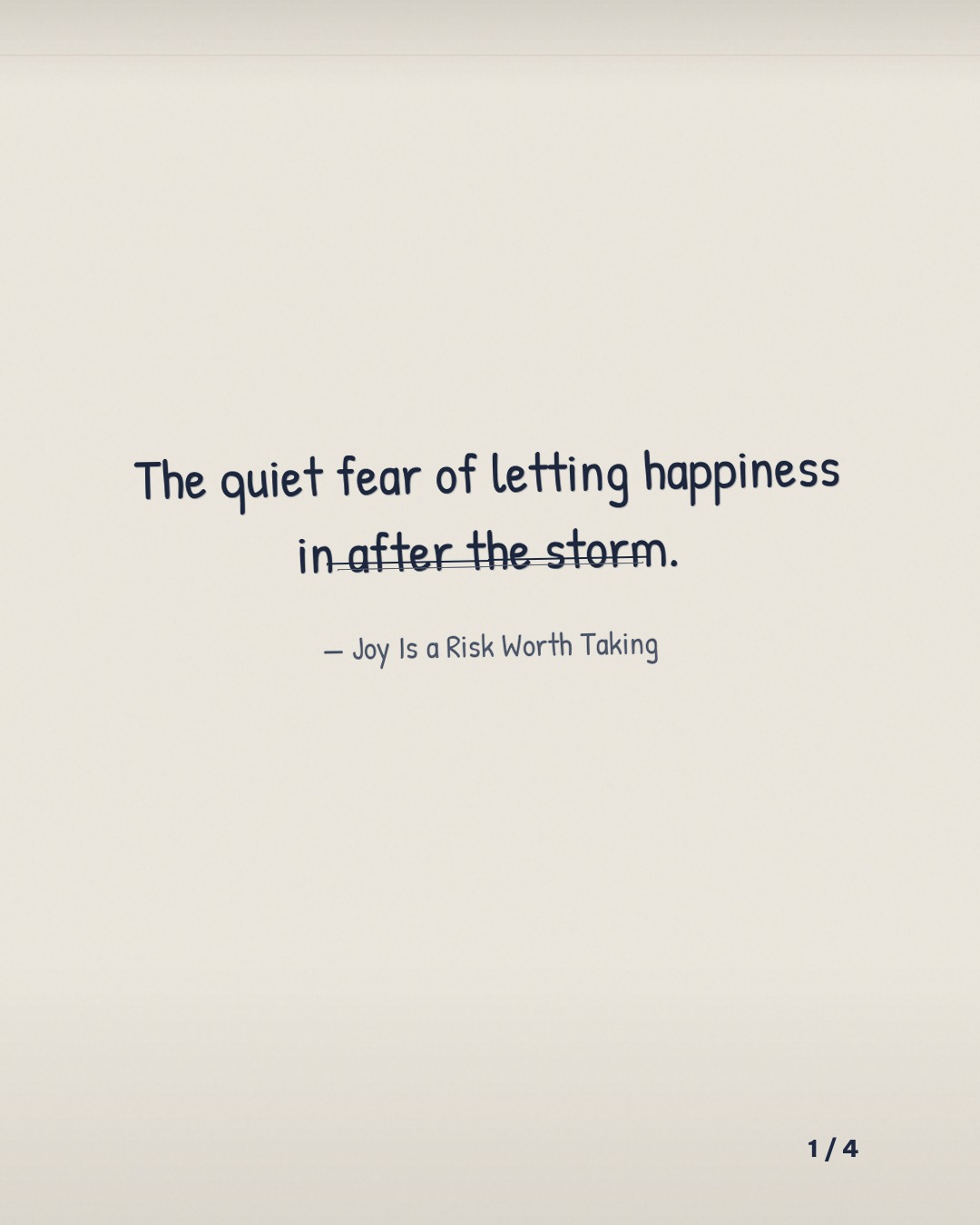
Life has a way of teaching us caution. After experiencing loss, disappointment, or prolonged struggle, our natural defense mechanism often kicks in: we learn to brace for impact, to anticipate the worst, to protect our hearts from further pain. This protective stance, while understandable, often comes at a cost: it makes us hesitant to fully embrace joy, fearing that happiness is merely a precursor to another setback. We might unconsciously believe that if we expect little, we won't be as disappointed.
Kelly McGonigal's *Joy Is a Risk Worth Taking* bravely explores this paradox. It’s a book that challenges us to reconsider joy not as a fragile emotion to be guarded, but as a robust, resilient force that can sustain hope, strengthen connections, and even serve as a compassionate response to the world's difficulties. Embracing joy, especially after hardship, isn't naive; it's an act of profound courage.
The Protective Stance: Why We Resist Joy
Our reluctance to fully step into joy often stems from deeply ingrained beliefs and experiences:
- **Trauma Response:** If joy has historically been followed by pain, the mind can create an association, making subsequent joy feel dangerous or triggering.
- **Fear of Loss:** The deeper the joy, the greater the potential for grief if it's lost. We try to mitigate future pain by not allowing ourselves to feel too good now.
- **Guilt or Unworthiness:** Sometimes, especially after collective suffering or personal struggles, we might feel unworthy of joy, or guilty for experiencing it when others are not.
- **Pessimistic Mindset:** A lifetime of expecting things to go wrong can create a default mental state where cynicism feels safer than optimism.
- **Societal Conditioning:** We are often taught to be wary of 'too much' happiness, believing it can lead to complacency or a lack of preparedness.
These patterns, while designed to protect us, inadvertently keep us in a state of low-level emotional vigilance, preventing us from experiencing the full spectrum of human flourishing.
Joy as Resilience: A Different Perspective
McGonigal invites us to see joy not as a fragile visitor, but as a vital nutrient for resilience. When we allow ourselves to feel joy, we:
- **Replenish Our Reserves:** Joy provides emotional fuel, helping us cope with stress and hardship more effectively.
- **Strengthen Connections:** Shared joy deepens bonds and creates a sense of belonging, which is crucial for well-being.
- **Cultivate Hope:** Joy reminds us that good things are still possible, even amidst difficulty, fostering an optimistic outlook.
- **Broaden Our Perspective:** Positive emotions can broaden our 'thought-action repertoires,' making us more creative and open to new solutions.
- **Heal and Integrate:** Joy doesn't negate pain; it can exist alongside it, offering a counterbalance and helping to integrate difficult experiences into a fuller life narrative.
Viewing joy as a source of strength, rather than a vulnerable weakness, fundamentally shifts our relationship with happiness.
Practices for Daring to Be Joyful
Embracing joy after hardship is a practice, a gentle leaning in rather than a forceful push. Here are ways to cultivate this courage:
- **Acknowledge the Fear:** Don't try to dismiss your apprehension. Validate the part of you that feels safer by expecting the worst. Say, "I know you're trying to protect me, and I appreciate that."
- **Start Small with 'Micro-Joys':** Look for tiny moments of pleasure in your day—the taste of coffee, the warmth of the sun, a beautiful song. Savor these without needing them to be monumental.
- **Practice Gratitude:** Regularly acknowledging what you are grateful for, even in difficult times, trains your brain to notice the good. It's not about ignoring pain, but about balancing your perspective.
- **Engage Your Senses:** Joy is often found in sensory experiences. Listen to music, taste food mindfully, touch something soft, look at something beautiful. Immerse yourself fully in these moments.
- **Connect with Others:** Shared laughter, meaningful conversations, and acts of kindness both given and received are powerful sources of joy.
- **Give Yourself Permission:** Consciously tell yourself, "It's safe to feel good," or "I am allowed to experience happiness." This can begin to reprogram old beliefs.
- **Embrace Imperfection:** Joy isn't about everything being perfect. It's about finding light and beauty even in the messiness of life.
- **Mindful Awareness:** When a joyful moment arises, pause. Notice it. Let yourself feel it fully without immediately analyzing or questioning its longevity. Just 'be' with the joy.
- **Engage in Play:** Reconnect with activities that bring you pure, unadulterated fun, without an agenda or goal. Play is a profound source of joy and healing.
The Revolution of Reclaiming Joy
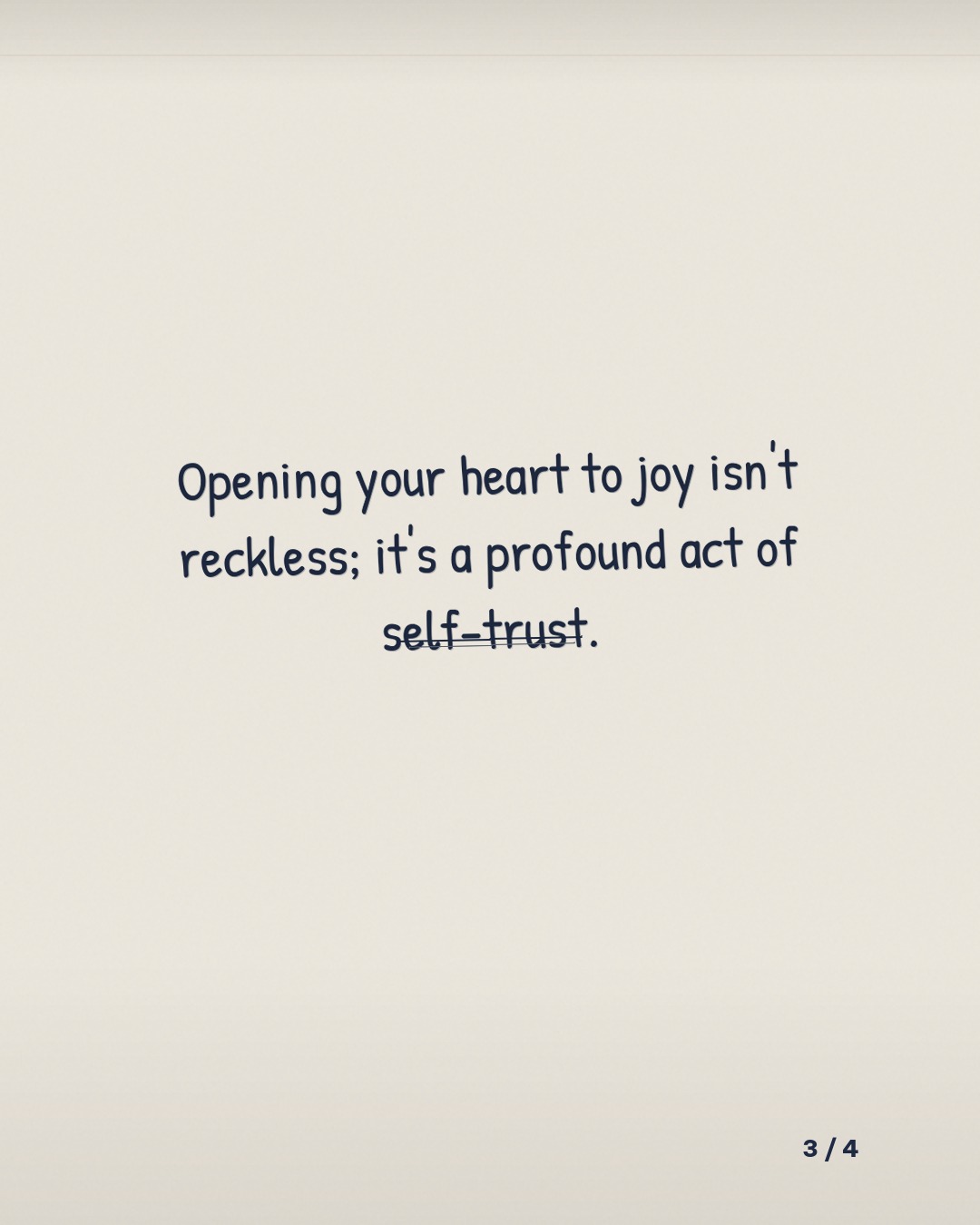
Choosing joy, especially when it feels risky, is a radical act. It's a defiant affirmation that despite what you've endured, life still holds beauty, connection, and profound moments worth living for. It's not about dismissing your pain, but about expanding your capacity for all emotions, recognizing that a full life encompasses both sorrow and startling bursts of light. Dare to soften. Dare to open. Dare to let joy surprise you, for in that courage, you find a deeper, more resilient self.