The low hum of the street outside had started to fade as twilight deepened. I was sitting at my kitchen table, the last of the day’s light barely touching the edges of the chipped ceramic mug in front of me. My shoulders were tight, a familiar tension that had settled there sometime around noon and hadn’t left. My to-do list, still scrawled on a yellow sticky note, felt impossibly long, despite having crossed off a few things. A sigh escaped me, unintended, heavy with a weariness that felt more profound than just physical.
I just wanted to curl up on the sofa with a blanket and disappear for a bit, but the voice in my head, the insistent one that always whispered about productivity and wasted time, wouldn’t let me. There was always *something* else that needed doing, always a reason to push through, even when my body was screaming for a pause. The air in the room felt thick, oppressive with all the unspoken expectations.
What Love for Imperfect Things Actually Says About Rest and Self-Acceptance
Haemin Sunim, a Korean Zen monk, offers a profound antidote to the relentless pace of modern life in *Love for Imperfect Things*. His gentle wisdom encourages us to embrace our imperfections, practice self-compassion, and find peace in the present moment. The quote, "Don’t be hard on yourself for needing rest. You wouldn't scold a flower for closing its petals at night," beautifully illustrates his core message: we are part of nature, and just like nature, we have cycles of growth, rest, and renewal.
Sunim's teachings often revolve around the idea that true peace doesn't come from fixing all our problems or achieving perfection, but from accepting things as they are, including ourselves. He emphasizes that our self-worth is inherent, not conditional on our achievements or constant productivity. The book is filled with short, compassionate reflections that guide readers toward a more understanding relationship with their own minds and emotions. It’s about recognizing that our flaws, mistakes, and even our need for rest are not signs of failure, but simply part of the human experience. By extending the same gentle understanding we would to a flower, a child, or a friend, to ourselves, we cultivate a deeper sense of inner peace and resilience. It's an invitation to pause, to breathe, and to simply be, without judgment.
The Part I Didn't Expect to Hear
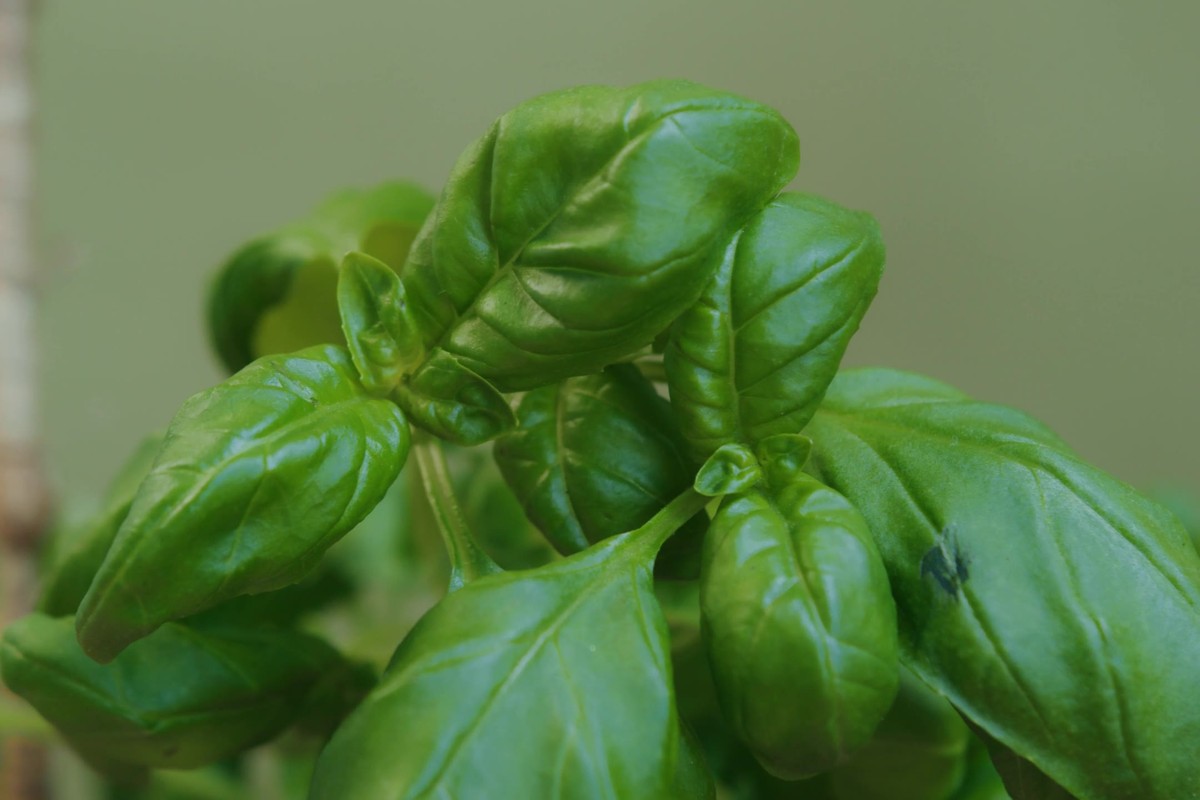
I was looking out the window, past the basil, at a tree that was starting to lose its leaves, a gradual, quiet shedding. It wasn't frantic; it was just happening. That's when Sunim's words truly settled in. It wasn’t about permission to be lazy, but permission to be *human*. We expect constant output from ourselves, as if we’re machines, then feel immense guilt when we inevitably burn out. The idea that rest is as natural and necessary as activity, that my body isn't failing me when it asks for a break, but simply following its own rhythm, was a revelation. It was a soft, insistent whisper against the loud, demanding voice of my inner critic, offering a kind of permission I hadn't realized I was so desperately craving. It wasn't about excusing imperfection; it was about recognizing its inherent beauty and necessity.
Key Takeaways
- Extend the same compassion to yourself that you would to a loved one or a natural element.
- Recognize that rest is a fundamental part of healthy existence, not a sign of weakness.
- Practice non-judgment towards your thoughts and feelings, accepting them as they are.
- Your inherent worth is not tied to your productivity or achievements.
- Find peace not by fixing everything, but by accepting imperfections in yourself and life.
Should You Read Love for Imperfect Things?
If you find yourself constantly striving, feeling overwhelmed by societal expectations, or struggling with a harsh inner critic, *Love for Imperfect Things* could offer a much-needed balm. It’s not about quick fixes or aggressive self-improvement, but about cultivating a deep, gentle self-compassion. If you're seeking a quiet, meditative read that encourages you to slow down, breathe, and appreciate the beauty in simply being, this book offers profound wisdom in accessible, comforting doses. It's for anyone who needs a reminder that they are inherently worthy, exactly as they are.