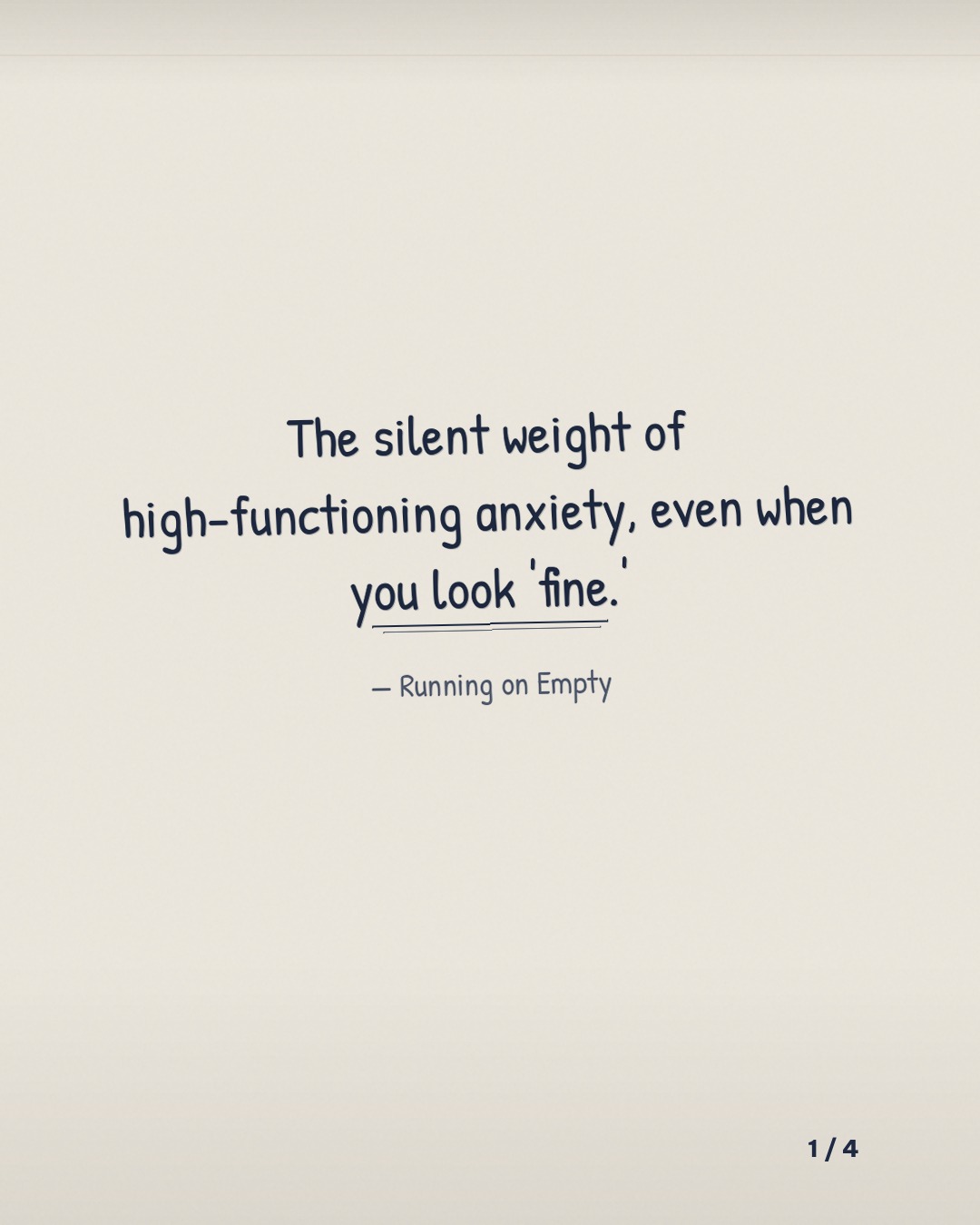
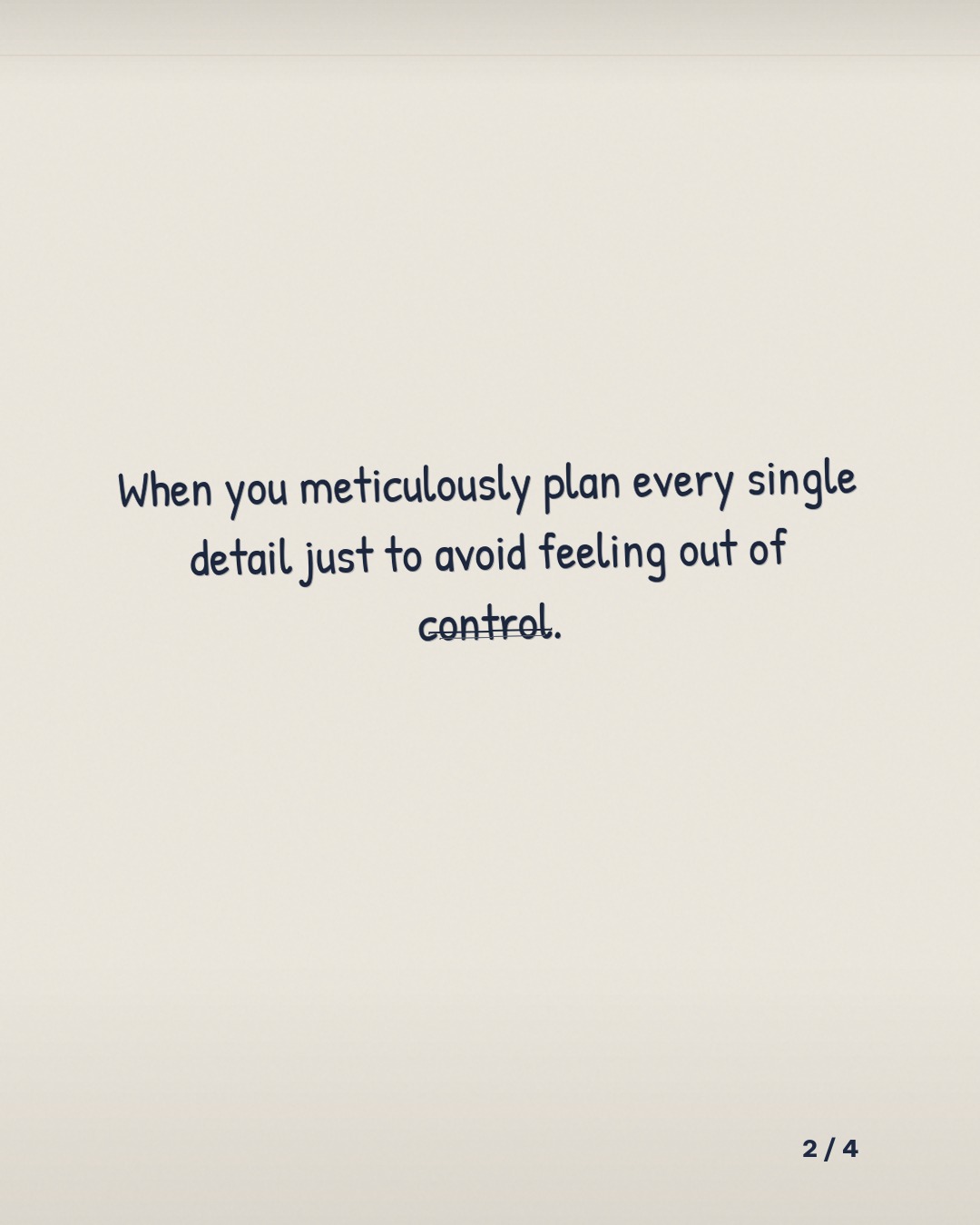

High-functioning anxiety manifests as a persistent state of internal worry or distress, often masked by an outwardly successful or composed demeanor. People experiencing this may appear highly organized, productive, and reliable to others, excelling in their careers, relationships, and daily tasks. However, beneath this polished exterior, they battle constant racing thoughts, an intense fear of failure, perfectionism, and an overwhelming need for control. They might struggle with saying no, always taking on more, and feeling perpetually exhausted but unable to slow down. The key differentiator is the stark contrast between their internal experience of anxiety and their external presentation, making it difficult for others, and sometimes even themselves, to recognize the struggle.
The Invisible Burden of High-Functioning Anxiety
Many people with high-functioning anxiety were praised or rewarded for their achievements and self-sufficiency from an early age. They learned that productivity and competence were pathways to approval, leading them to suppress their true emotional needs and push through distress. This creates a cycle where their anxiety drives them to achieve more, which in turn reinforces the belief that their worth is tied to their output. The internal pressure is immense, a constant hum of worry about falling short, leading to burnout, chronic stress, and difficulty truly relaxing or enjoying life.
- **Acknowledge the internal conflict:** The first step is to recognize that your outward success doesn't negate your internal struggle. Validate your own feelings and understand that it's okay to feel anxious even if you're "doing everything right."
- **Prioritize intentional rest, not just downtime:** True rest isn't just stopping work; it's actively engaging in activities that genuinely recharge you. This might be mindful meditation, a walk in nature, or a creative pursuit. Schedule it like an important meeting.
- **Practice setting boundaries:** High-functioning anxiety often involves saying yes to too much. Start practicing saying no, or asking for time to consider requests. This helps protect your energy and time, preventing overload.
- **Challenge perfectionism:** Recognize that "good enough" is often truly good enough. Try to consciously let go of the need for flawless execution in every area of your life. Delegate tasks when possible, and embrace imperfections.
- **Engage in emotional check-ins:** Because emotions are often suppressed, intentionally check in with yourself throughout the day. Ask: "How am I feeling right now? What do I need?" This helps reconnect you with your internal experience.
- **Seek support:** Consider talking to a therapist or a trusted friend about your internal experience. Articulating your anxieties to someone who understands can provide immense relief and new perspectives. You don't have to carry this alone.
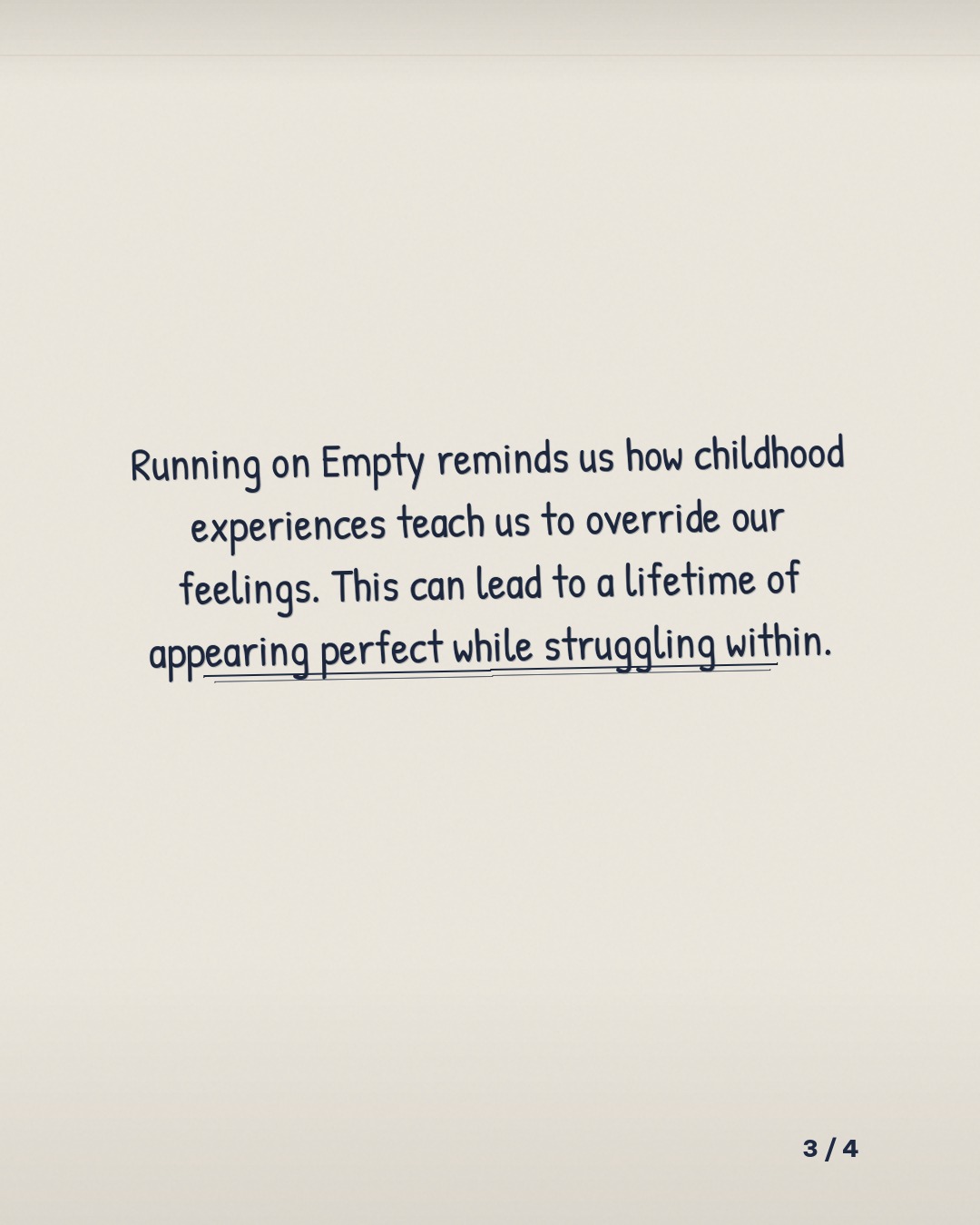
In Jonice Webb’s "Running on Empty," she discusses how individuals who grew up with emotional neglect often learn to operate at a high level without adequate emotional validation or support. This can directly contribute to the development of high-functioning anxiety. Such individuals develop a strong sense of self-reliance and achievement, but often feel disconnected from their own emotional landscape, leaving them feeling perpetually "empty" despite outward success. Recognizing these origins can be a powerful step toward healing, allowing you to validate your past experiences and begin to build emotional awareness and self-care practices that address the root causes, not just the symptoms, of your internal hurricane.