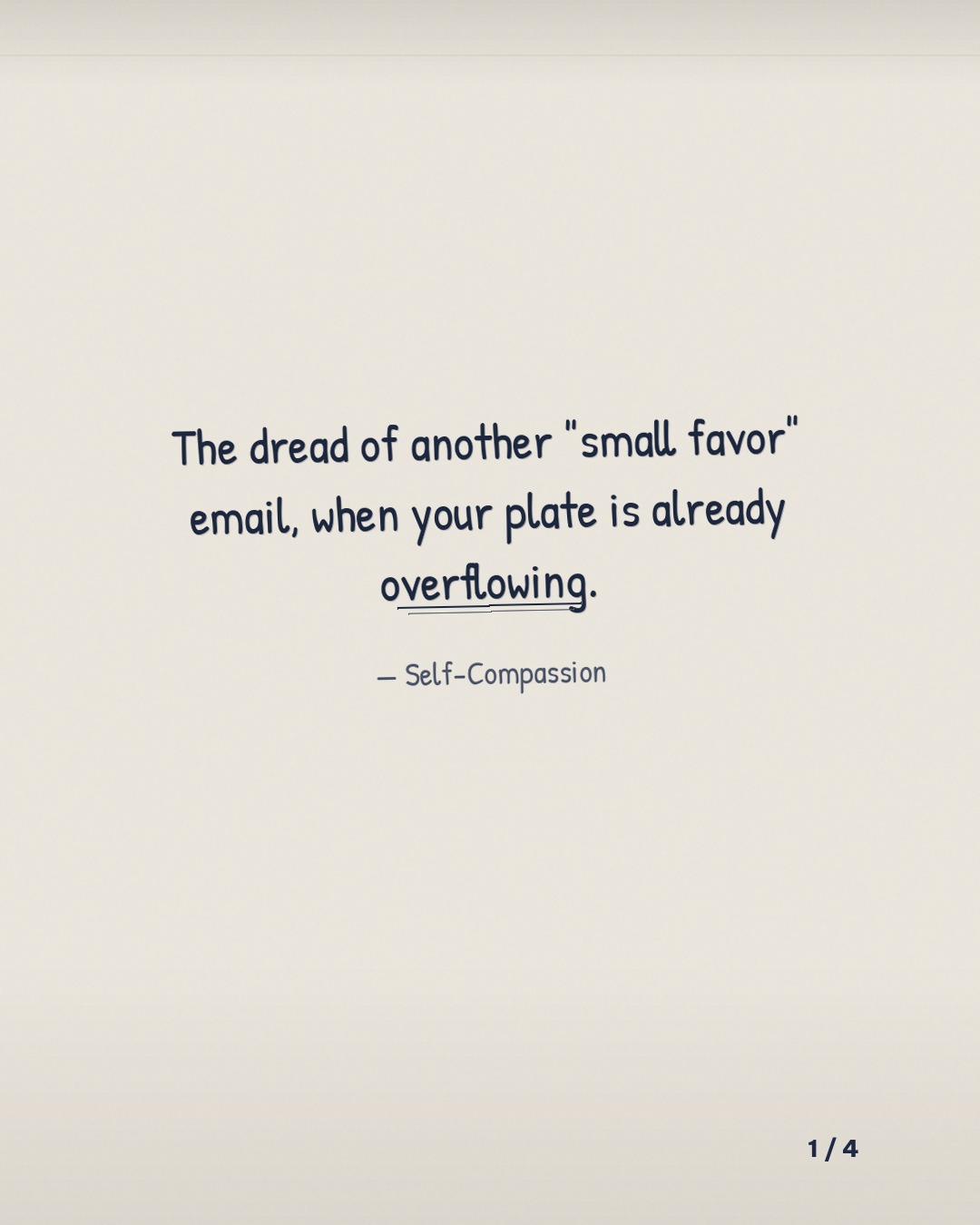
To stop people-pleasing, begin by recognizing the subtle cues in your body and mind that indicate you're about to say 'yes' when you mean 'no.' This usually manifests as a gut feeling of dread, a tightening in your chest, or a sudden urge to avoid eye contact. Pausing in that moment, even for a few seconds, can create enough space to choose a different response. It's about retraining your automatic reactions, moving from immediate compliance to thoughtful consideration. Start small by practicing saying 'I need to check my schedule and get back to you' rather than an instant commitment. This gives you time to assess your capacity and truly decide if you can, and want to, fulfill the request without sacrificing your own well-being.
The Real Cost of Constant Compliance
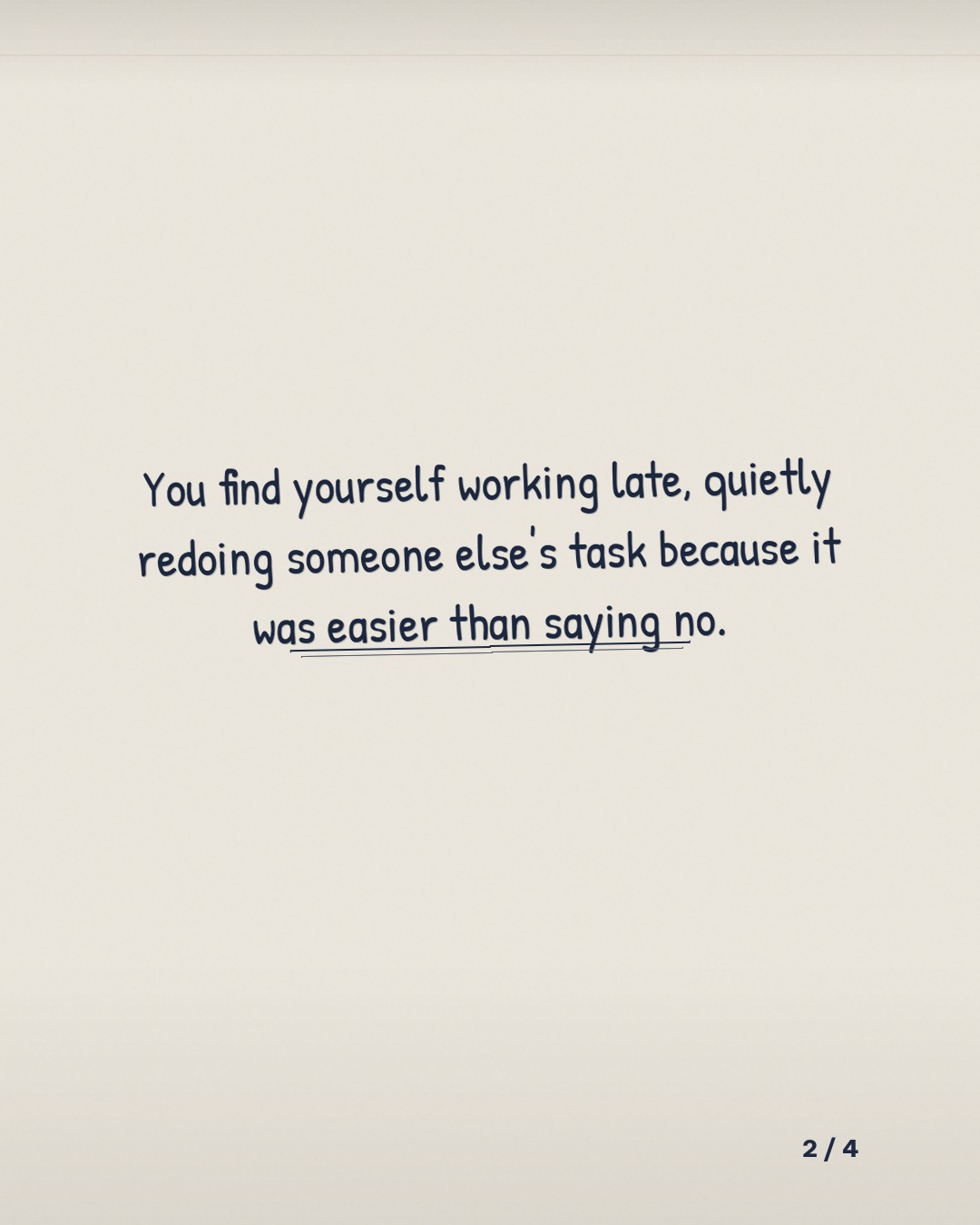
People-pleasing often stems from a deep-seated fear of disapproval or conflict. At work, this can look like consistently taking on extra tasks, volunteering for projects you don't have time for, or agreeing to deadlines that are unrealistic. While it might seem like a way to maintain harmony and be seen as a team player, the long-term effects are detrimental. It leads to burnout, resentment, and a feeling of being undervalued, because others never see your limits if you never express them. Your colleagues and superiors get used to you always saying yes, making it even harder to decline requests in the future. This creates a cycle where your own needs are perpetually put last.
- **Practice the Pause:** When a request comes in, especially an unexpected one, instead of immediately responding, say, "Let me just check my calendar/priorities and I'll get back to you." This buys you time to assess without pressure.
- **Identify Your Boundaries:** What are your non-negotiables? Your working hours, your capacity for extra tasks, your need for uninterrupted focus time. Once you know them, it's easier to communicate them.
- **Communicate Clearly and Concisely:** When you need to say no, do so without over-explaining or apologizing excessively. A simple, "I appreciate you thinking of me, but I can't take that on right now" is usually sufficient. You don't need to invent elaborate excuses.
- **Offer Alternatives (Optional):** If you genuinely want to help but can't take on the full request, offer a partial solution or suggest someone else who might be a good fit. "I can't lead that project, but I could help with X part of it," or "Have you tried asking Y?"
- **Manage Expectations:** Proactively communicate your workload and priorities to your team or manager. If they understand what you're already handling, new requests can be framed more realistically.
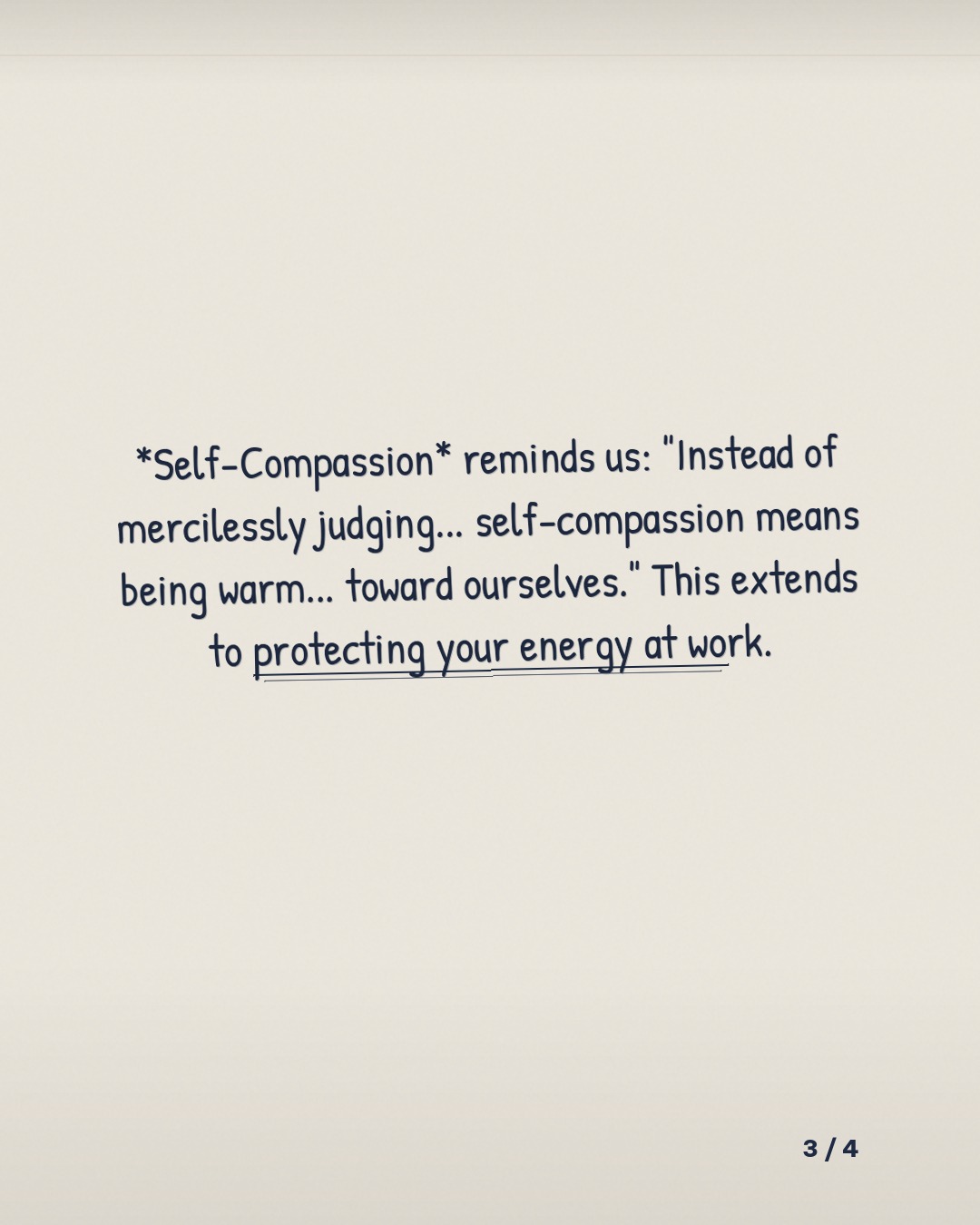
Kristin Neff, in *Self-Compassion*, discusses the importance of treating ourselves with kindness and understanding. When we people-please, we often deny ourselves this basic right. We prioritize external validation over our internal needs. Cultivating self-compassion means acknowledging our limits, recognizing our inherent worth regardless of how much we produce, and giving ourselves permission to protect our energy. It means understanding that saying 'no' to an external request is often saying 'yes' to your own well-being and capacity. This shift in perspective is crucial for breaking free from the people-pleasing cycle. Remember, your value is not tied to your availability or your willingness to always say yes.