Breaking Free From 3 AM Overthinking: A Guide to Quiet Your Mind
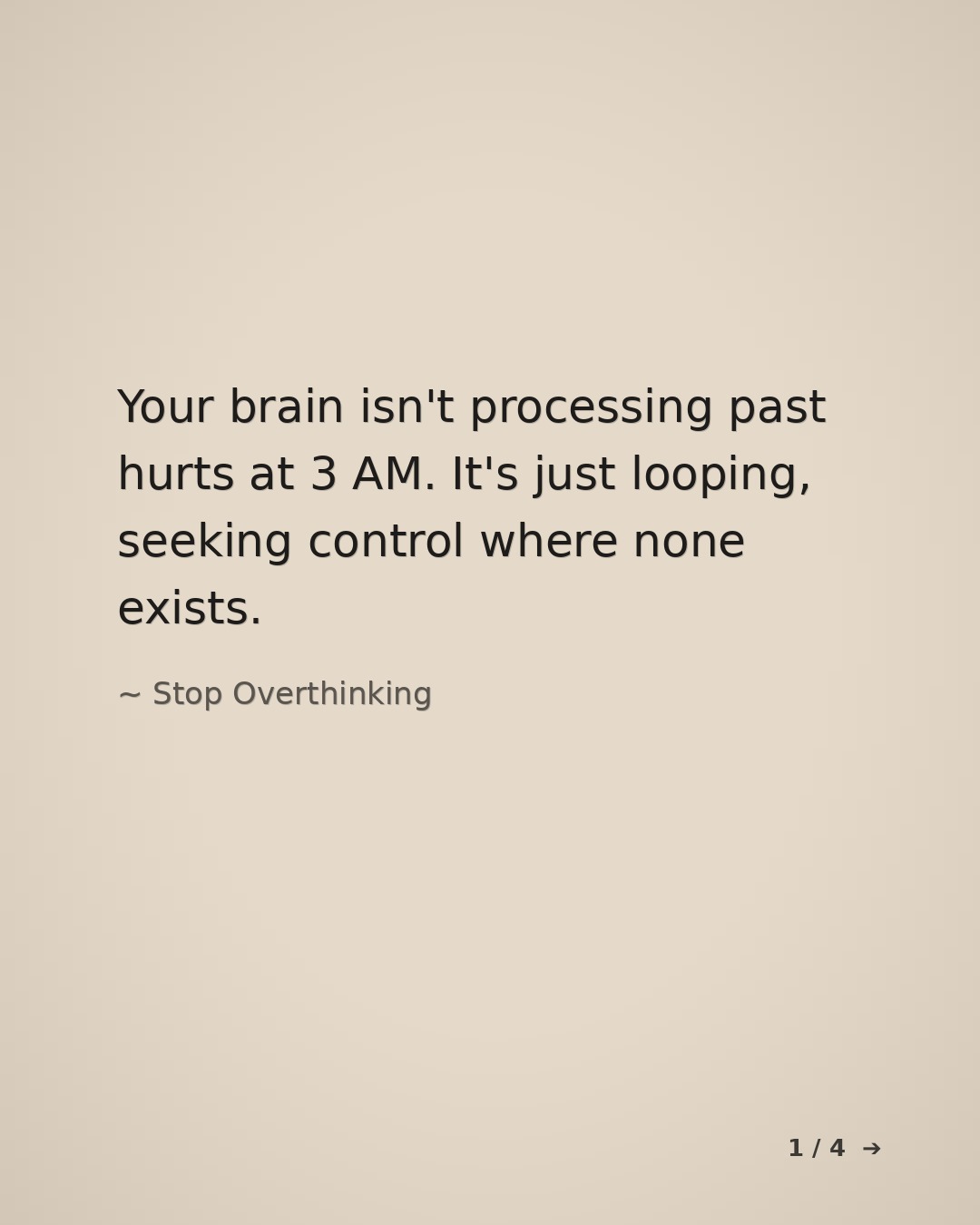
The silent hours of the night often become a battleground for the overactive mind. You lie awake, replaying conversations, dissecting past events, or catastrophizing future scenarios. This isn't just a minor annoyance; it's a cognitive spiral that steals your peace, exhausts your spirit, and prevents true rest. It feels like problem-solving, like you're gaining control, but in reality, it's a futile loop that keeps you trapped in anxiety.
In *Stop Overthinking*, Nick Trenton explores the mechanisms behind these mental patterns and offers practical strategies to disengage from them. The core insight is that your brain, in its attempt to protect you, often misfires, creating elaborate narratives around perceived threats or past mistakes. This guide will help you understand why your mind struggles to quiet down and equip you with actionable steps to reclaim your nights.
The Cycle of Nighttime Overthinking
Nighttime overthinking is more than just having a lot on your mind; it's a specific pattern with identifiable triggers and effects:
- **The Illusion of Control:** Your brain believes that by endlessly replaying a situation, it can somehow alter the past or perfectly predict the future. This gives a false sense of control over uncontrollable events.
- **Anxiety's Amplifier:** For those prone to anxiety, the quiet of the night removes external distractions, allowing anxious thoughts to proliferate without interruption.
- **Unresolved Emotions:** Often, overthinking is a way to avoid confronting deeper, uncomfortable emotions like grief, shame, or anger. The mind prefers to busy itself with analysis rather than feeling.
- **Perfectionism and Self-Criticism:** A strong inner critic can fuel the replay loop, scrutinizing every action and word, leading to relentless self-judgment.
- **Lack of Daytime Processing:** If you don't allow yourself time to process thoughts and emotions during the day, they will often surge forward when your mind is finally still.
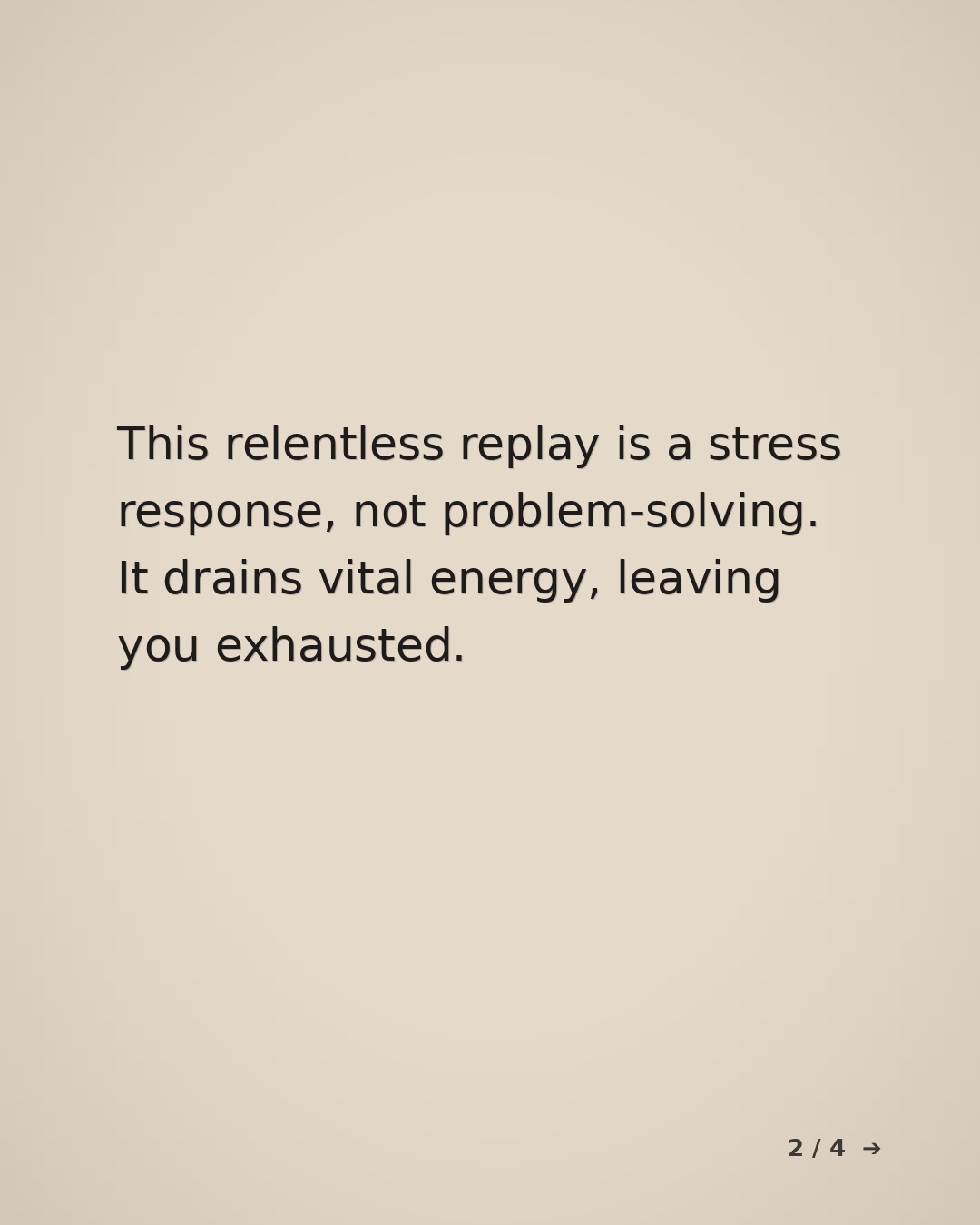
This relentless mental activity primes your body for 'fight or flight,' releasing stress hormones that make relaxation and sleep impossible. It’s a vicious cycle that depletes you physically, emotionally, and cognitively.
How to Gently Disengage from the Loop
Breaking the overthinking cycle isn't about forcefully stopping thoughts, which often backfires. It's about changing your relationship with them. Here are strategies inspired by Trenton's insights and broader mindfulness practices:
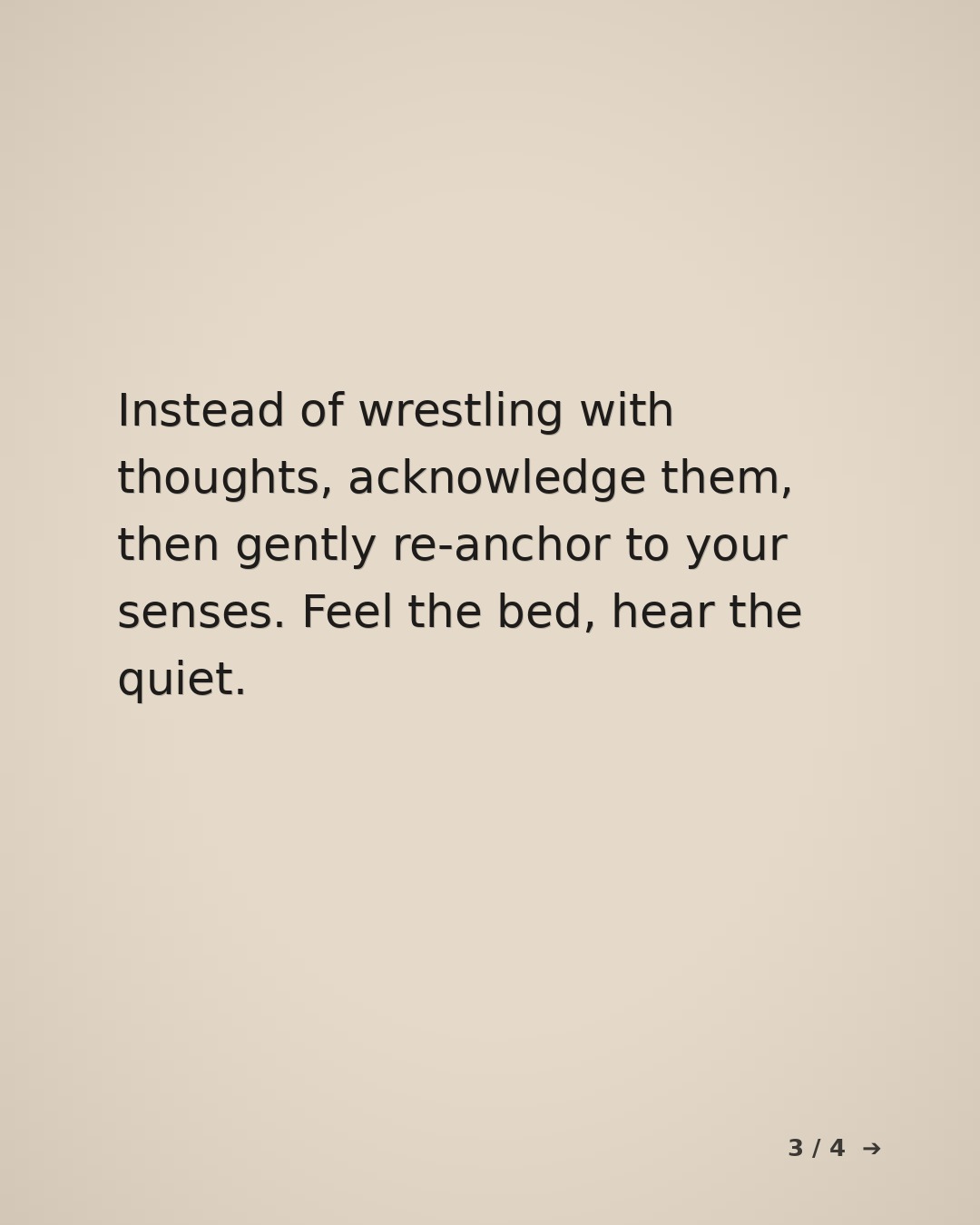
- **Acknowledge, Don't Engage:** When a thought loop begins, acknowledge it without judgment. Say to yourself, "Ah, there's that thought again," rather than diving into its content. Recognize it as a mental habit.
- **Practice Mindful Breathing:** Focus your attention entirely on your breath. Inhale slowly through your nose, hold briefly, exhale slowly through your mouth. This simple act can re-anchor you to your body and disrupt the thought spiral.
- **Sensory Grounding:** Engage your five senses. What do you hear? What do you feel against your skin (the bedsheets, your pajamas)? What subtle scents are present? This brings you out of your head and into the present moment.
- **The 'Thought Dump' Journal:** If thoughts are swirling, get out of bed and write them all down. Don't edit or judge; just let everything pour onto the page. This externalizes the thoughts, creating distance and often making them less potent.
- **Establish a 'Worry Time' (During the Day):** Dedicate 15-20 minutes each day to consciously think about your worries. If a worry arises outside this time, gently remind yourself, "I'll address this during my worry time." This trains your brain to compartmentalize.
- **Limit Pre-Sleep Stimulation:** Avoid screens (phone, TV, computer) for at least an hour before bed. The blue light and stimulating content can rev up your brain, making it harder to wind down.
- **Create a Calming Bedtime Routine:** Consistency is key. A warm bath, reading a physical book, gentle stretching, or listening to calm music can signal to your body and mind that it's time to prepare for sleep.
- **Reframe 'Failure' to Sleep:** If you can't sleep, don't chastise yourself. This only adds more stress. Instead, accept that rest can come in many forms, even if it's just lying still and being present with your breath. The goal isn't always sleep, but peace.
Shifting Your Relationship with Your Mind
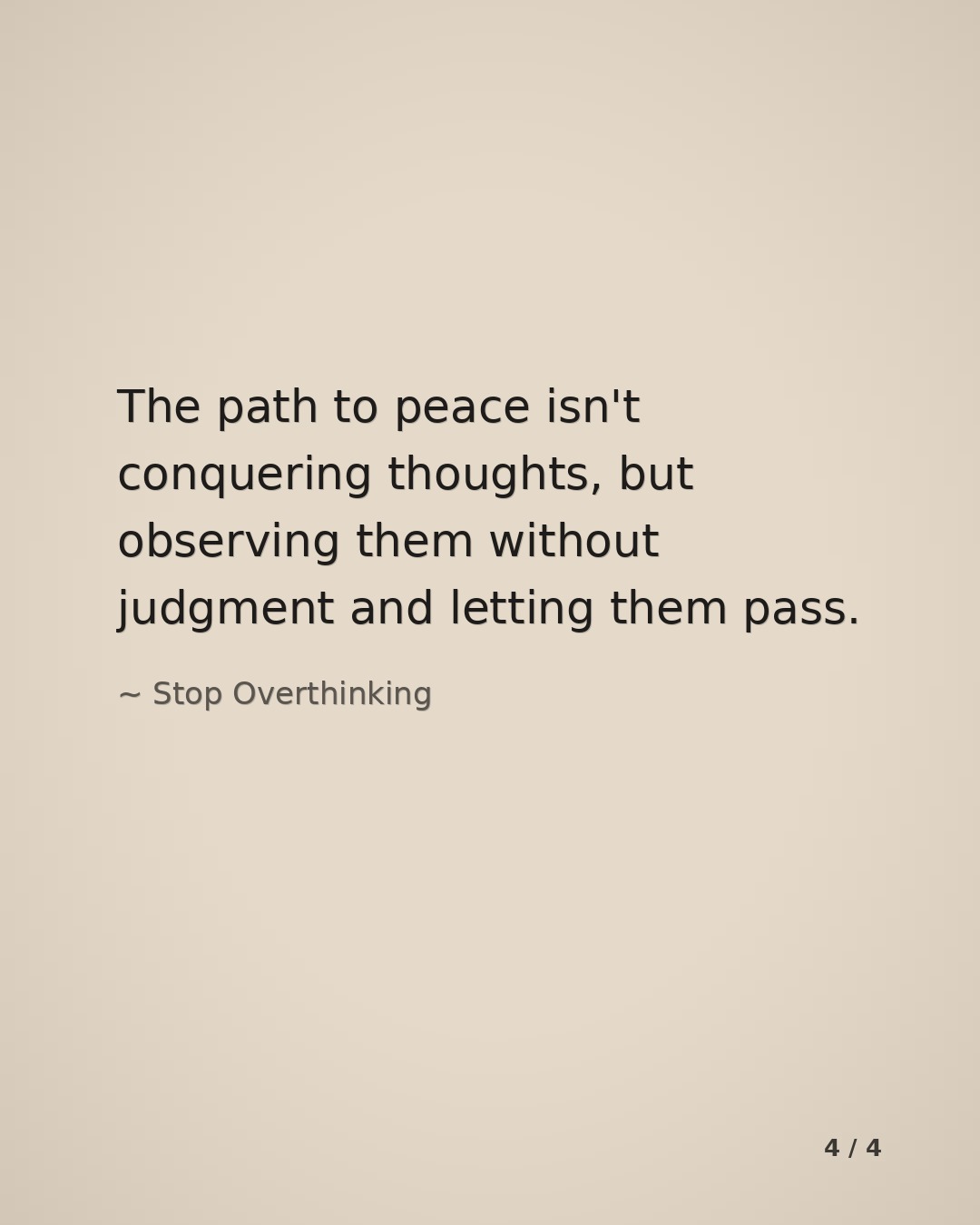
Ultimately, stopping overthinking at night is about cultivating a more compassionate and observant relationship with your mind. It’s about recognizing that your thoughts are not always facts, and you don't have to engage with every single one. By gently disengaging from the mental replay and anchoring yourself in the present, you can reclaim your nights and foster a deeper, more profound sense of inner peace. This isn't about control; it's about freedom.