There's a constant hum in the background of modern life—a relentless whisper urging us to do more, achieve more, be more. It's a current that pulls us towards endless productivity, making moments of stillness feel like moments of failure. We're taught that our worth is intrinsically linked to our output, leading to a pervasive guilt when we dare to step away from the grind. This ingrained belief system can make the simple act of putting down a to-do list and just existing feel like a radical, almost forbidden, act. Yet, it's often in these moments of quiet observation that we reclaim a vital part of ourselves.
Imagine the feeling of the sun on your skin, or the way clouds drift lazily across the vast expanse above. These are sensory anchors to the present moment, offering a gentle counterpoint to the hurried pace of our minds. When we engage with these simple, sensory experiences, we're not just resting our bodies; we're giving our nervous systems a much-needed break from the constant analysis and planning. It's a reset button for the soul, allowing for a deeper connection to the world around us and, crucially, to ourselves.
The Silent Language of Over-Productivity
Our society often praises relentless effort and constant busyness, creating a culture where 'rest' is seen as a reward earned, rather than a fundamental human need. This mindset is insidious, creeping into our deepest convictions about self-worth.
- **The Guilt Trap:** Many feel a deep sense of guilt when resting, believing they 'should' be doing something productive, even when exhausted.
- **External Validation:** Our self-worth becomes tied to external achievements and validation, leading to a fear of being perceived as 'unproductive' or 'lazy'.
- **Burnout Cycle:** This relentless pursuit of productivity ultimately leads to burnout, where physical and mental resources are depleted, making effective work impossible.
Reclaiming the Power of Stillness
Choosing stillness is not a surrender; it's an act of defiance against a culture that values output over well-being. It's a conscious decision to nourish your inner landscape, which in turn enhances your capacity for creativity, problem-solving, and genuine connection.
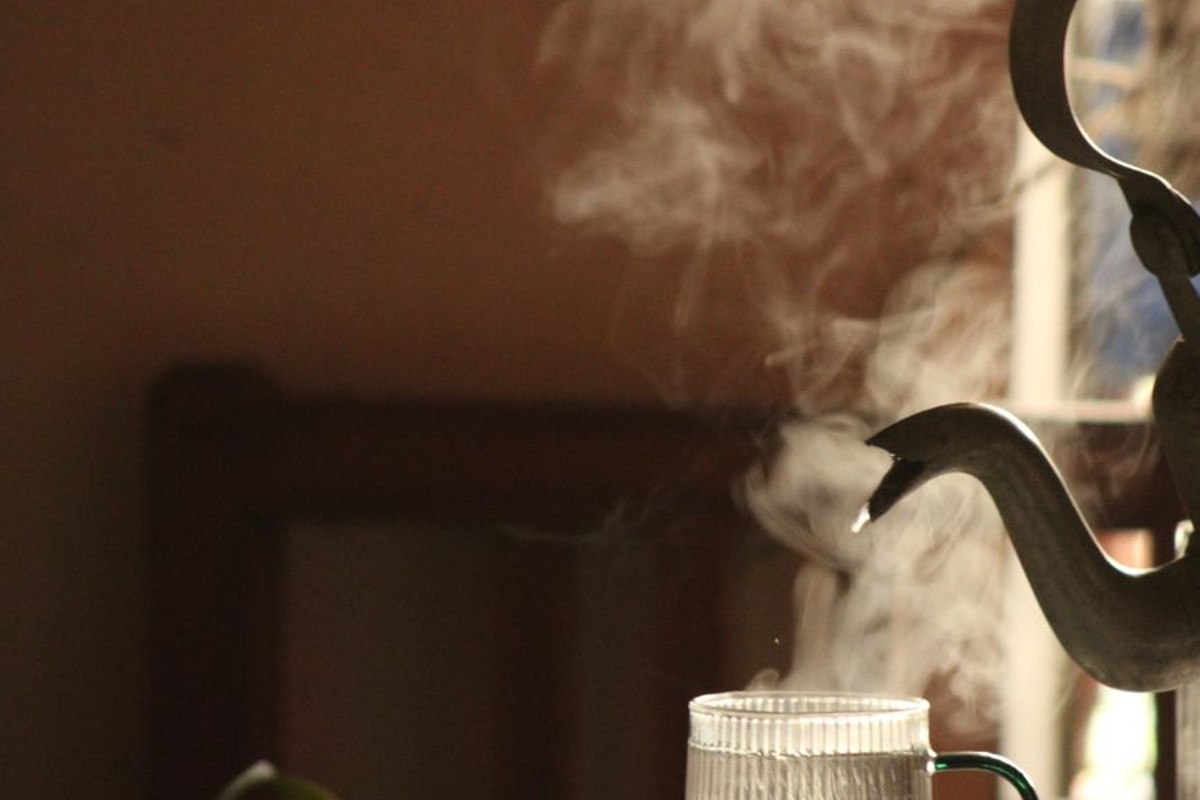
- **Mindful Pauses:** Integrate short, intentional pauses throughout your day. A minute to watch the rain, a few breaths while sipping tea, or simply looking out the window.
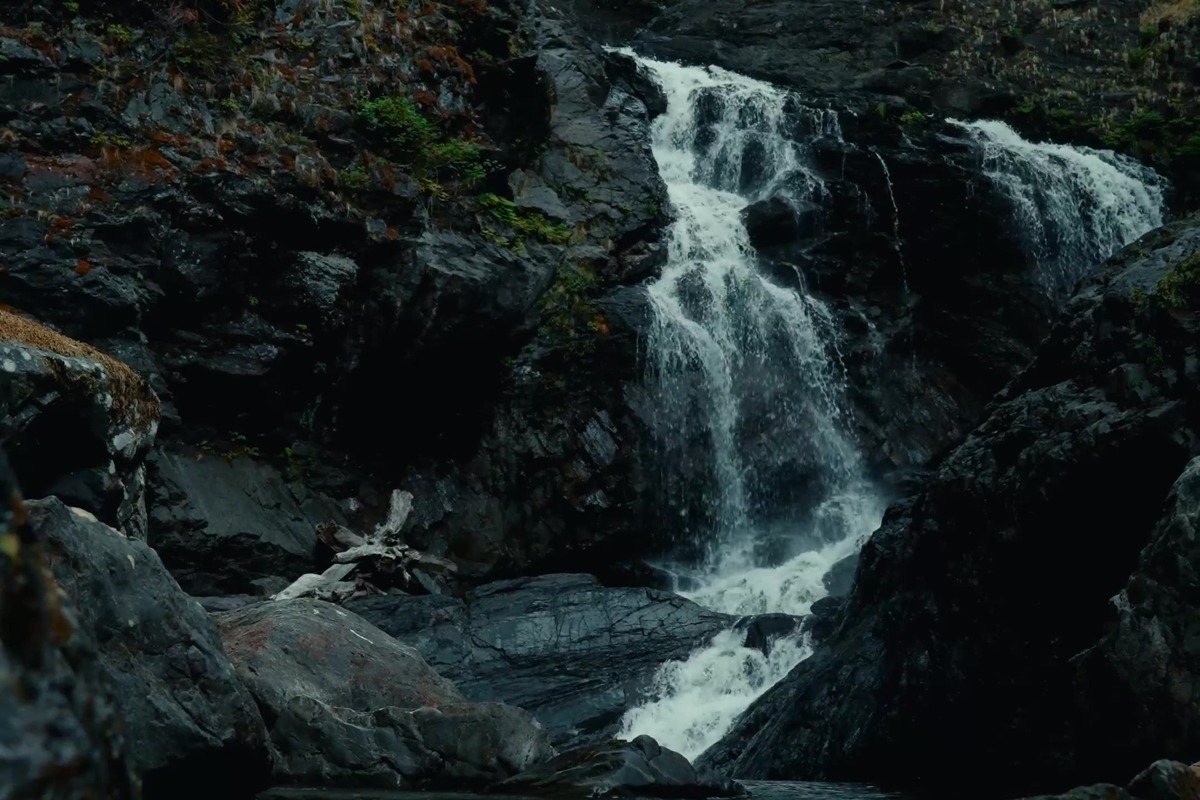
- **Nature's Medicine:** Spend time outdoors without a specific agenda. Let nature's rhythm slow your own. Observe without needing to act or analyze.
- **Sensory Anchors:** Engage your senses. Notice the taste of your food, the texture of your clothes, the sounds around you. This brings you into the present moment.
The Revolutionary Act of Self-Kindness
Embracing moments of non-doing is a revolutionary act of self-kindness. It's acknowledging that your worth is inherent, not conditional on your achievements. It's trusting that a rested, calm mind is ultimately more effective and resilient.
- **Redefine 'Productivity':** Understand that rest, reflection, and quiet moments are essential components of sustainable productivity. They are not distractions but necessary inputs.
- **Practice Self-Compassion:** Treat yourself with the same empathy you would offer a friend. Would you tell a friend to keep pushing when they're clearly exhausted?
- **Trust Your Inner Wisdom:** Learn to listen to your body's signals for rest and quiet. Your body knows what it needs long before your mind catches up.
In a world obsessed with doing, dare to simply be. Dare to put down the endless list, step away from the screen, and allow the quiet beauty of a moment—a sky, a breath, a fleeting feeling—to remind you of your own inherent value, independent of what you accomplish.