Reclaiming Your Peace: Why Saying 'No' Isn't Selfish
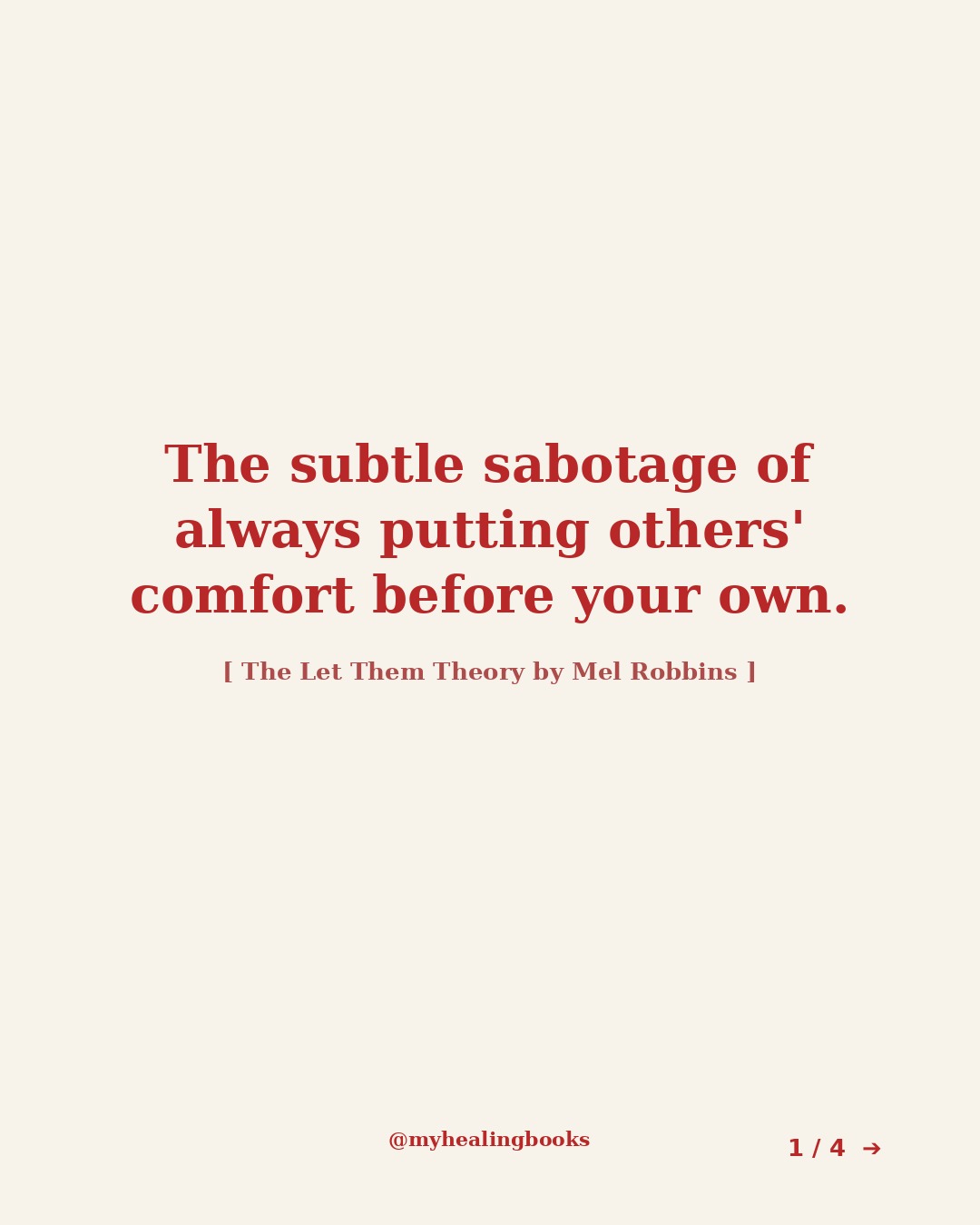
For many, the word 'yes' has become an automatic response, a reflex born from a deep-seated desire to please, to be liked, to avoid conflict. This isn't just about being polite; it's a chronic pattern, often a coping mechanism developed early in life, that leads to high-functioning anxiety and profound emotional exhaustion. In her insightful framework, Mel Robbins' 'Let Them Theory' offers a powerful antidote to this self-sabotaging behavior, empowering us to disengage from circumstances and opinions we cannot control, thereby fostering greater personal peace.
The Silent Cost of Chronic People-Pleasing
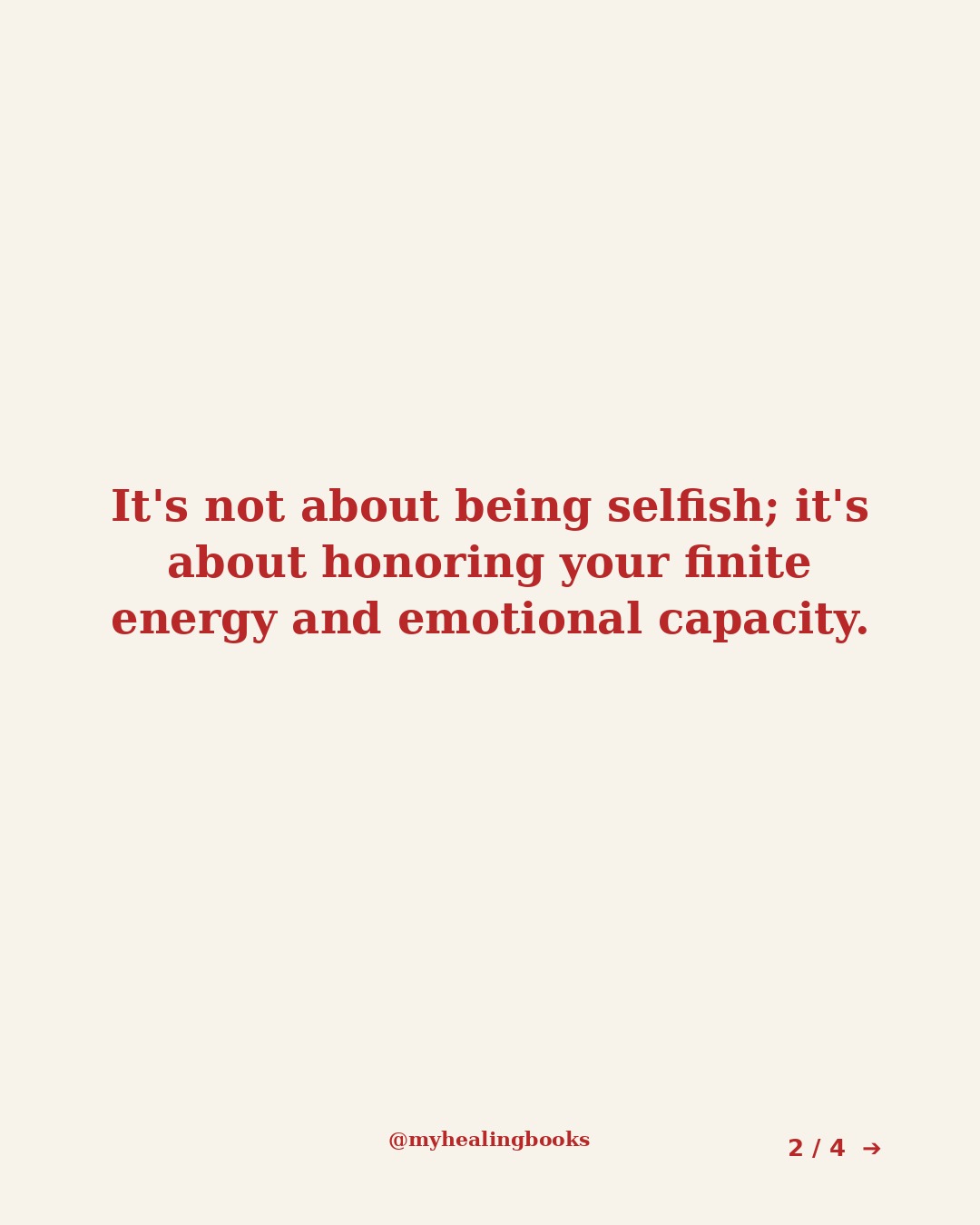
People-pleasing often masquerades as kindness or selflessness, but its true cost is steep. Each 'yes' uttered against your true inclination chips away at your sense of self, leading to resentment, burnout, and a feeling of being constantly overwhelmed. It's an exhausting cycle, where your internal monologue is often a battle between your genuine needs and the perceived needs of others. This isn't merely about saying 'no' to an extra task; it’s about betraying your own energy, time, and emotional capacity.
* **Erosion of Self-Worth:** Consistently prioritizing others' desires over your own sends a clear message to yourself: your needs are secondary. Over time, this erodes self-worth and breeds a quiet sense of unfulfillment. * **Hidden Resentment:** While you might outwardly appear agreeable, internally, resentment simmers. This emotional baggage can poison relationships and create a disconnect between your true feelings and your outward persona. * **Emotional Burnout:** Constantly stretching yourself thin to meet everyone else's demands is a direct path to emotional burnout. You're operating on a deficit, leaving no energy for your own well-being or passions. * **Lack of Authenticity:** True connection thrives on authenticity. When you're perpetually shape-shifting to fit others' expectations, you prevent genuine intimacy, as people are connecting with a curated version of you, not the real you.
Understanding the Roots of the 'Yes' Reflex
The impulse to people-please doesn't come from a place of malice; it often stems from understandable fears:
* **Fear of Rejection/Abandonment:** A deep-seated belief that saying 'no' will lead to disapproval, criticism, or even being left alone. * **Fear of Conflict:** An aversion to disagreement, perceiving it as dangerous or uncomfortable, leading to avoidance at all costs. * **Desire for Approval:** A longing to be seen as 'good,' 'helpful,' or 'easygoing,' often a residue from childhood experiences where approval was conditional. * **Guilt and Responsibility:** Feeling unduly responsible for others' emotions or well-being, believing you must step in to fix or support them.
The 'Let Them Theory': A Pathway to Liberation
Mel Robbins’ 'Let Them Theory' isn't about being indifferent or uncaring; it's about strategically disengaging from the weight of expectations and reactions you cannot control. The core idea is simple yet revolutionary: *let them* have their thoughts, their feelings, their reactions. Your peace is not contingent on their approval or understanding. This theory offers a powerful reframe:
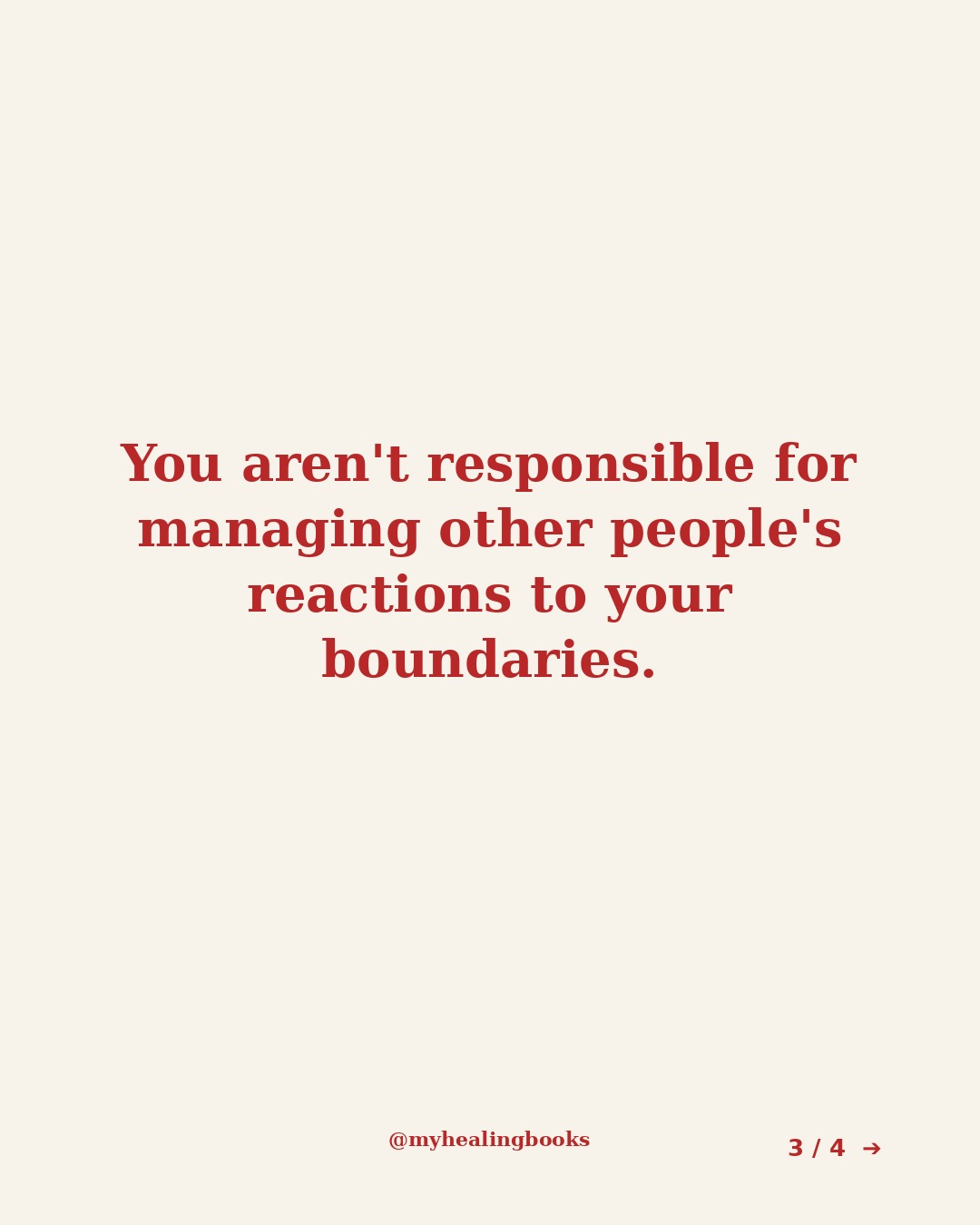
* **Let Them Be Disappointed:** It's okay if someone is disappointed when you set a boundary. Their disappointment is their emotion to manage, not yours to prevent. * **Let Them Think What They Want:** You cannot control what others think of you. Their perception is often a reflection of their own experiences and biases, not a true measure of your worth. * **Let Them Manage Their Own Feelings:** You are not responsible for another adult's happiness, anger, or frustration. Give them the dignity of managing their own emotional landscape. * **Let Them Problem-Solve:** When you're constantly stepping in, you rob others of the opportunity to develop their own resilience and problem-solving skills.
Practical Steps to Embrace 'The Let Them Theory'
1. **Identify Your 'Yes' Triggers:** Pay attention to the situations, people, or internal dialogues that consistently prompt you to say 'yes' when you mean 'no.' Awareness is the first step towards change. 2. **Practice Pause and Reflect:** Instead of an immediate 'yes,' buy yourself time. Phrases like, "Let me check my calendar and get back to you," or "I need a moment to think about that" are powerful tools. 3. **Start Small with 'No':** Begin by saying 'no' to low-stakes requests or in situations where the perceived consequences are minimal. This builds your 'no' muscle. 4. **Embrace Concise Communication:** You do not owe anyone a lengthy explanation for your boundaries. A simple, "No, I can't," or "That doesn't work for me" is sufficient. Over-explaining often feels like seeking permission. 5. **Reframe Guilt:** When guilt arises, recognize it as a familiar, but not necessarily accurate, emotion. Remind yourself that setting boundaries is an act of self-care, not selfishness. You cannot pour from an empty cup. 6. **Visualize the Outcome:** Imagine the peace and energy you preserve by saying 'no' to something that doesn't align with your needs. Contrast this with the exhaustion of saying 'yes' out of obligation. 7. **Affirm Your Worth:** Regularly remind yourself that your worth is inherent, not dependent on your ability to cater to others. You are enough, just as you are.
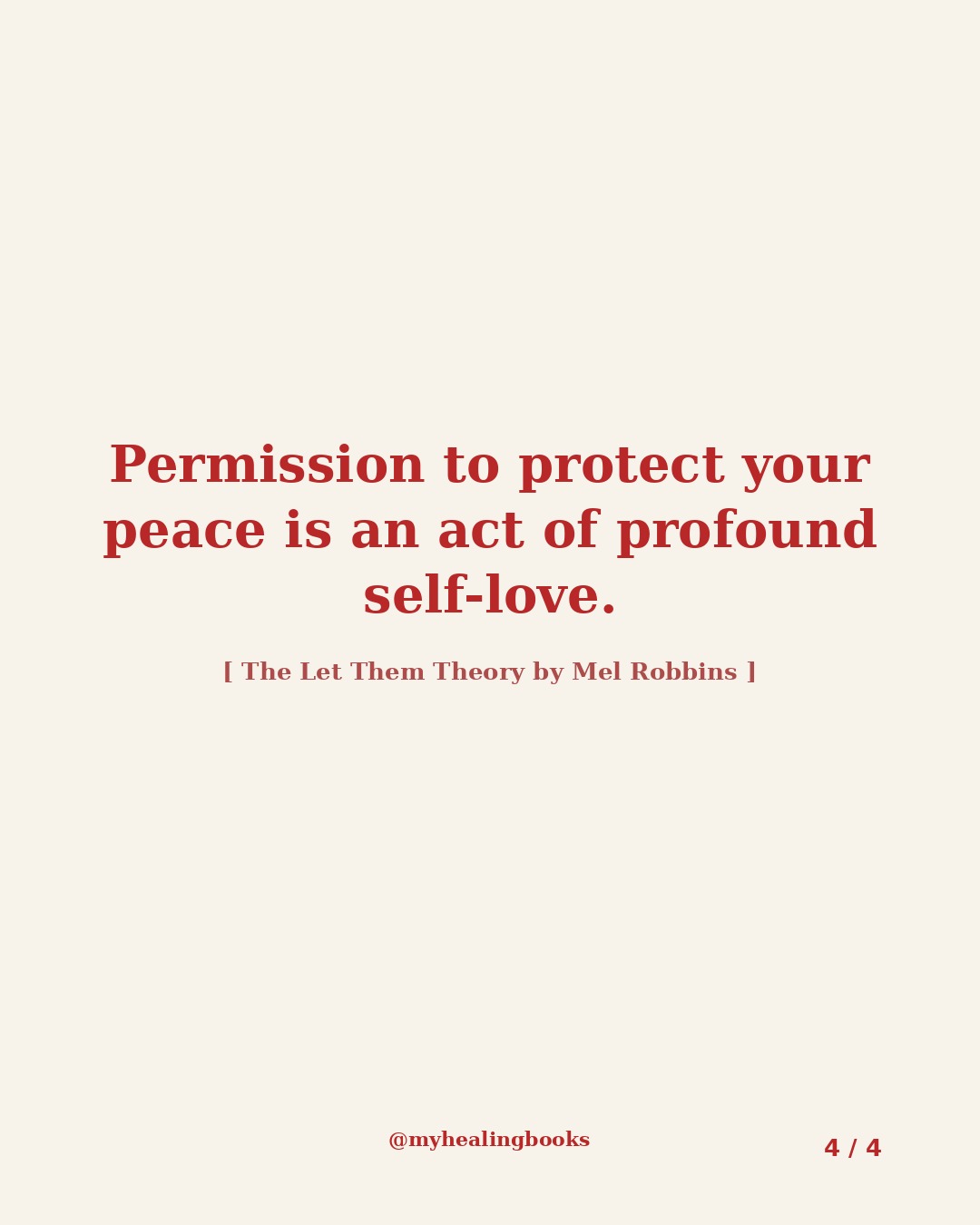
Reclaiming your peace by strategically embracing the 'Let Them Theory' is a profound act of self-love. It allows you to operate from a place of authenticity and integrity, honoring your own finite energy and emotional capacity. When you release the burden of managing others' reactions, you create space for genuine connection and a life that truly aligns with your deepest values. It's a journey, not a destination, but one that promises liberation and a stronger sense of self.