Breaking the Loop: Why Your Brain Replays Old Conversations at 3 AM
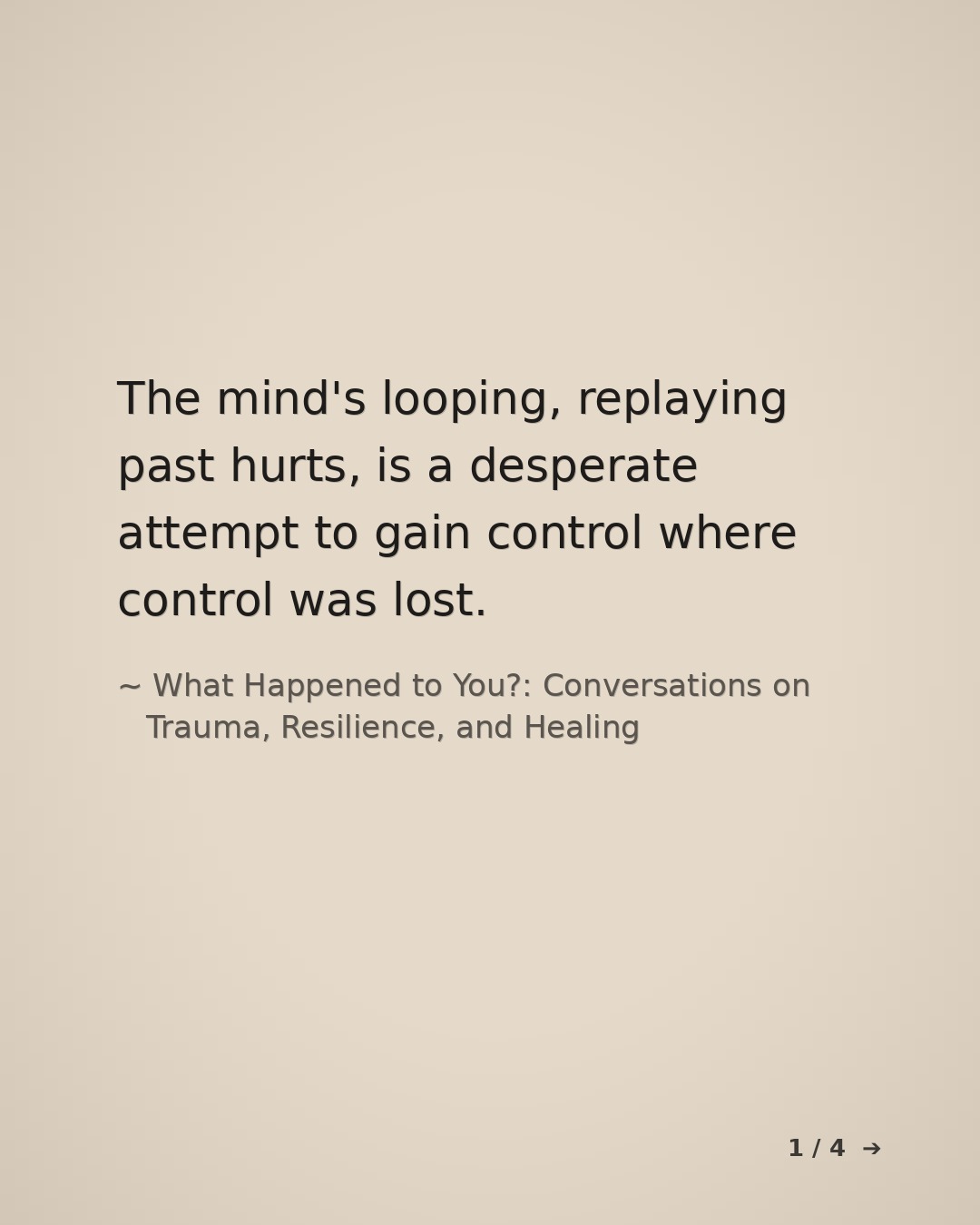
The silence of 3 AM can be a cruel companion. For many, it's not a time of peaceful rest, but an arena where past conversations, perceived missteps, and old traumas replay on an endless loop. You might find yourself reliving an awkward moment from three years ago, dissecting a casual remark, or agonizing over a decision made long ago. This isn't merely "overthinking"; it’s often a sophisticated, albeit exhausting, survival mechanism. As Oprah Winfrey and Dr. Bruce D. Perry explore in "What Happened to You?", these late-night cognitive spirals are frequently a desperate attempt by your brain to gain control where control was once lost.
The Brain's Search for Pattern and Prediction
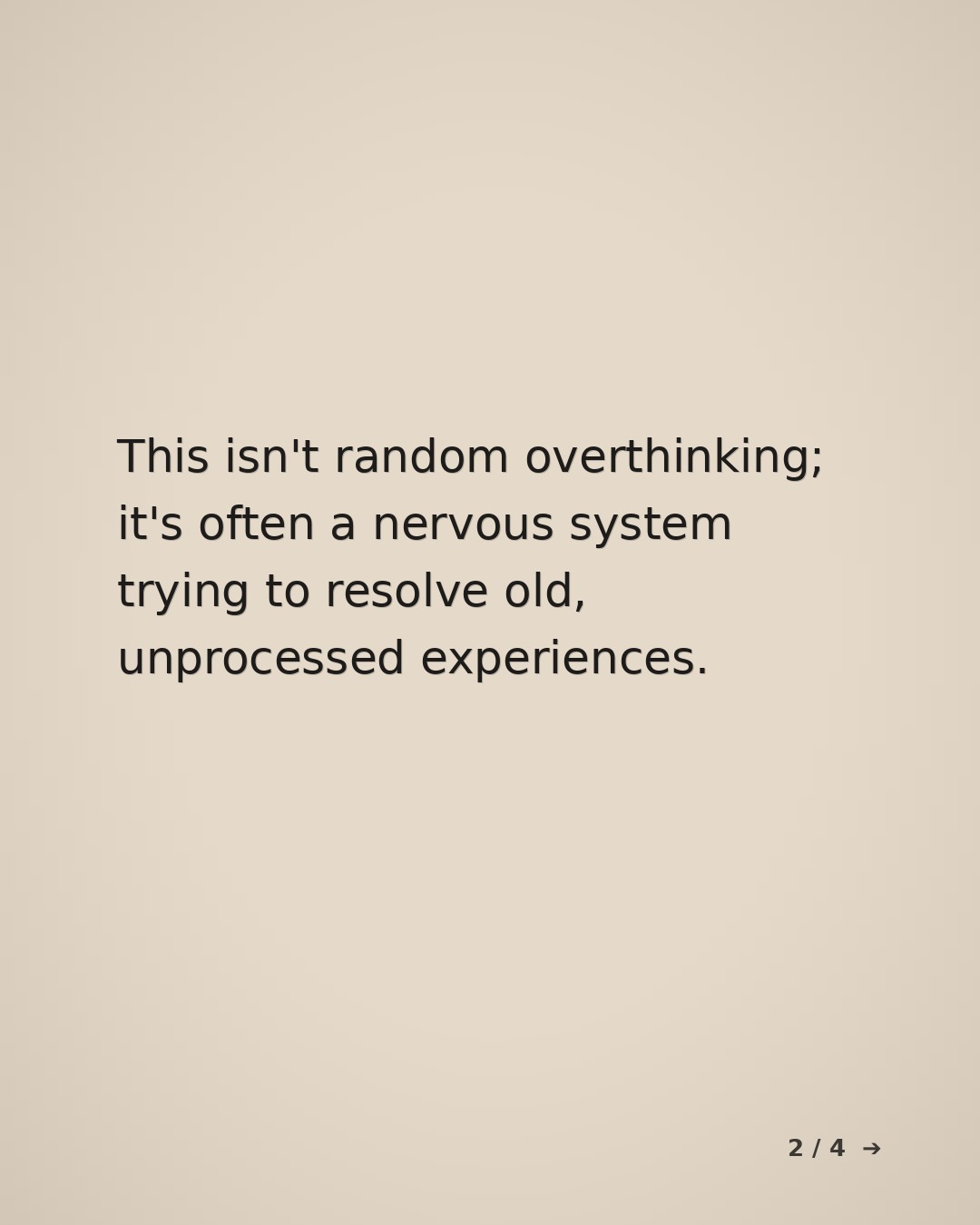
Our brains are magnificent prediction machines. Their primary directive is to keep us safe, and to do that, they constantly scan for patterns, analyze past events, and try to anticipate future threats. When an experience is particularly distressing, confusing, or overwhelming – especially during critical developmental periods – it can leave a residue. The brain might perceive that it didn't fully "process" or "understand" the event in real-time, leaving a perceived gap in its predictive model.
- **Unfinished Business:** These replays are often a sign of "unfinished business." The brain is trying to make sense of what happened, to extract a lesson, or to find a different outcome. It's a subconscious effort to resolve the unresolved.
- **Seeking Control:** If an event left you feeling helpless or out of control, your brain might endlessly replay it in an attempt to find the 'lever' you missed. "If only I had said X," or "If only I had done Y," becomes the narrative.
- **Survival Instincts:** In the face of trauma or consistent emotional distress, the brain can get stuck in a hypervigilant state. It's constantly on alert, scanning the past for clues that might prevent future harm.
The Link to Trauma and Stress Response
Dr. Perry’s work, heavily featured in "What Happened to You?", highlights how childhood experiences and relational traumas profoundly shape our brain's architecture and stress responses. When a child experiences chaos, neglect, or abuse, their brain adapts to survive these environments. These adaptations don't magically disappear when the threat is gone.
- **Dysregulated Nervous System:** Chronic stress or trauma can lead to a dysregulated nervous system. Instead of being able to shift smoothly between states of arousal and calm, the system gets stuck in 'fight-flight-freeze-fawn' mode, or oscillates wildly. The late-night replay is often an activation of this system, keeping you in a state of alert when you should be resting.
- **Implicit Memory:** Trauma is often stored not as explicit, narrative memory, but as implicit memory – sensations, emotions, body states, and fragmented images. When triggered, these implicit memories can flood the mind, leading to intense emotional flashbacks or persistent rumination without a clear narrative.
- **Relational Wounds:** Many of our deepest hurts are relational. Replaying conversations from years ago might be a sign of unresolved relational wounds – a longing for acceptance, a fear of rejection, or a yearning for understanding that was denied.
Interrupting the Loop, Not Fighting It
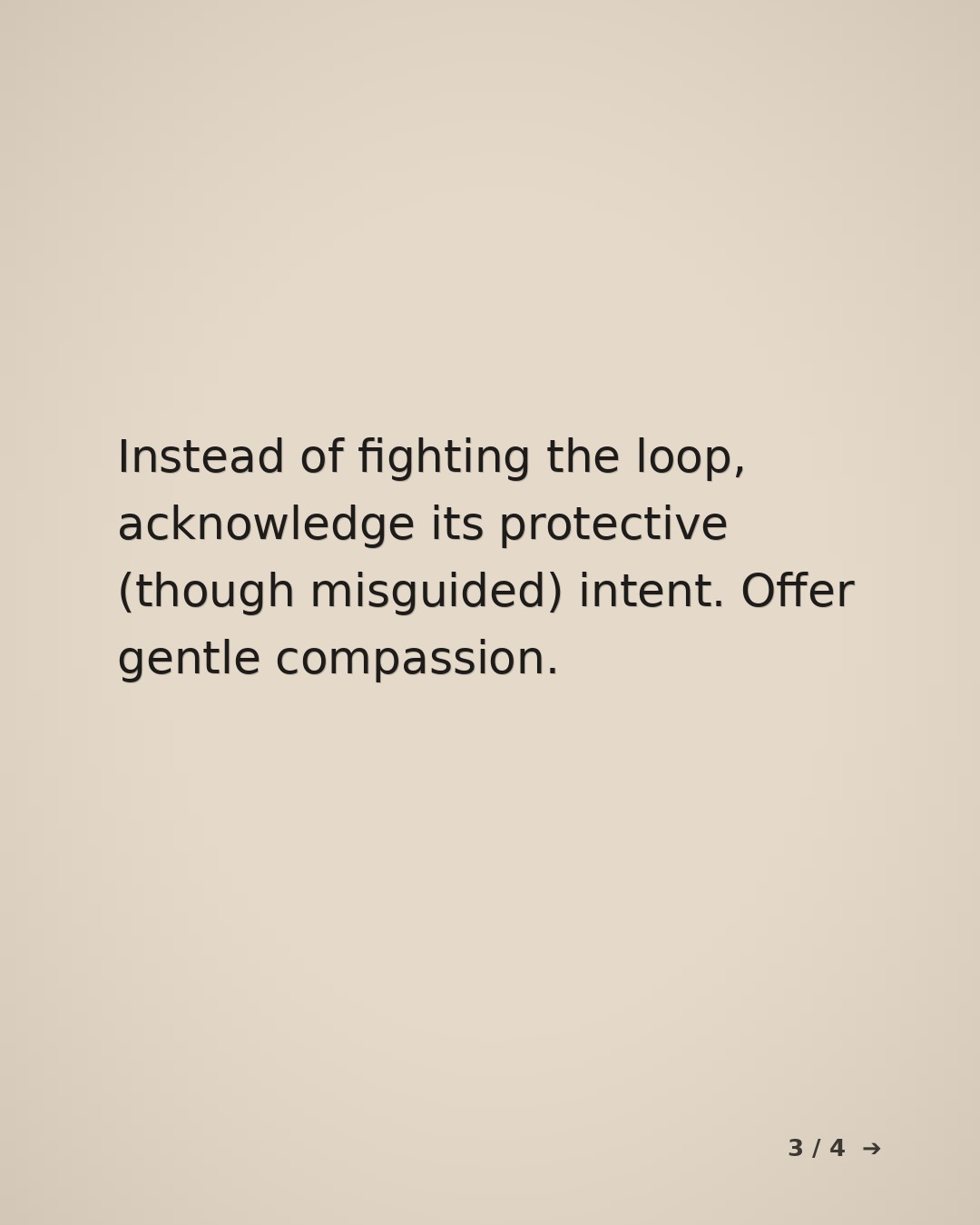
Fighting the overthinking loop often exacerbates it. The harder you try to stop, the more entrenched it becomes. The key, as "What Happened to You?" suggests, is not to pathologize the brain's response, but to understand it with compassion and then gently guide it towards new patterns.
- **Acknowledge with Curiosity:** Instead of "Stop thinking about this!", try, "My brain is trying to make sense of something from the past. I wonder what it needs." This shifts you from self-judgment to compassionate inquiry.
- **Grounding Techniques:** When the loop starts, bring yourself back to the present moment. Engage your senses. Notice five things you can see, four things you can touch, three things you can hear, two things you can smell, and one thing you can taste. This pulls your brain out of the past and into the here and now.
- **Sensory Soothing:** Create a calming sensory environment. A warm blanket, dim lights, a comforting scent, or gentle sounds can signal safety to your nervous system.
- **Externalize Your Thoughts:** Sometimes, getting the thoughts out of your head can help. Journaling, voice memos, or even talking to a trusted friend or therapist can provide an outlet and a different perspective. Don't censor; just let it flow.
- **Befriend Your Inner Child:** Imagine the part of you that is looping these thoughts as a younger, vulnerable self trying to solve a puzzle. What would that part need to feel safe? Reassurance? Comfort? Understanding?
- **Mindful Movement:** Gentle movement like stretching, a short walk, or deep breathing can help release trapped energy and bring your nervous system back into balance.
- **Therapeutic Support:** If these spirals are persistent and significantly impacting your life, seeking therapy can be profoundly helpful. A trauma-informed therapist can help you process past experiences, regulate your nervous system, and develop healthier coping strategies.
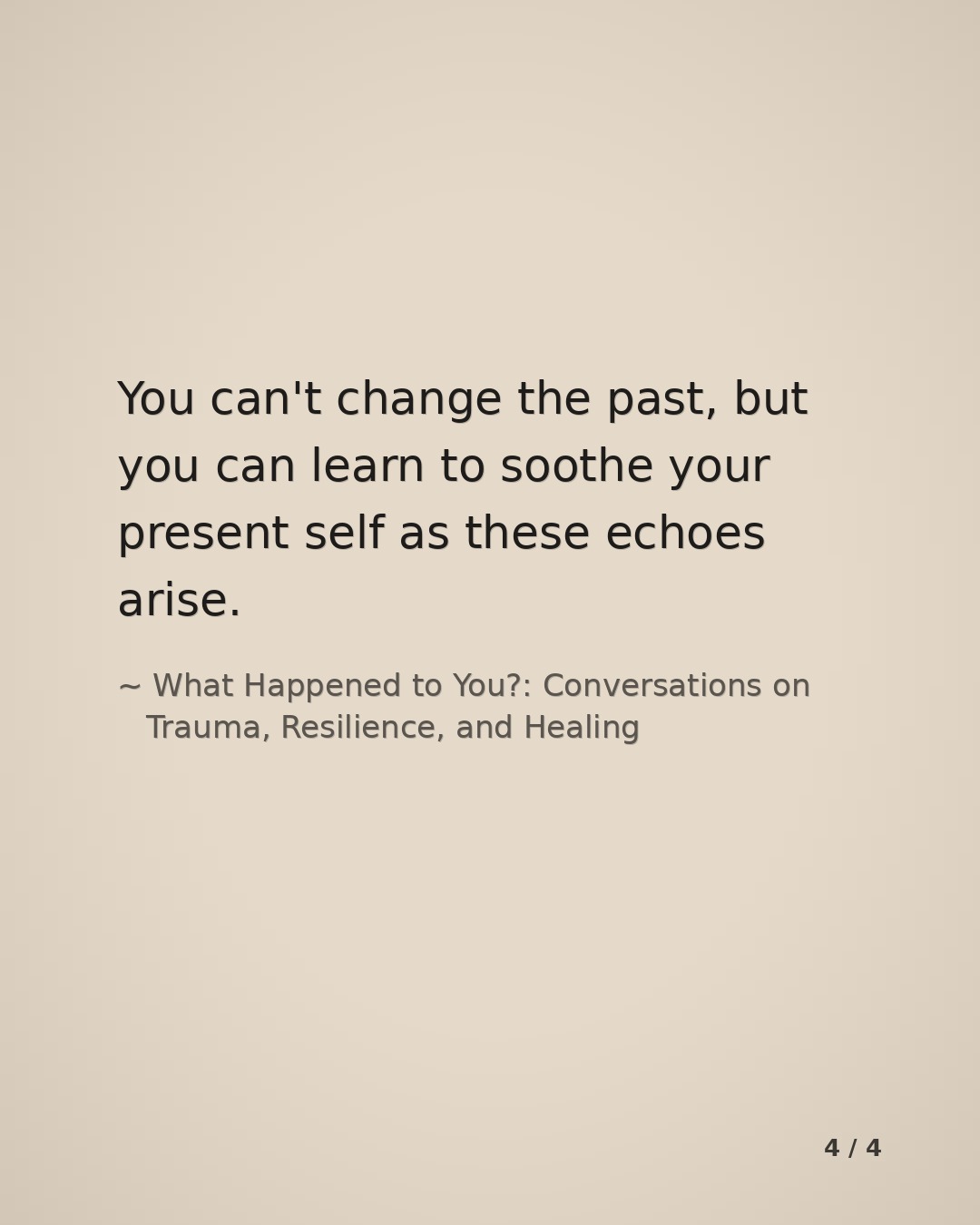
Your brain isn't broken for replaying old hurts; it's trying to protect you. By understanding *why* it does this, you can move from frustration to compassion, and from endless loops to gentle, mindful redirection. This is the path to finding genuine peace, even in the quiet of the night.