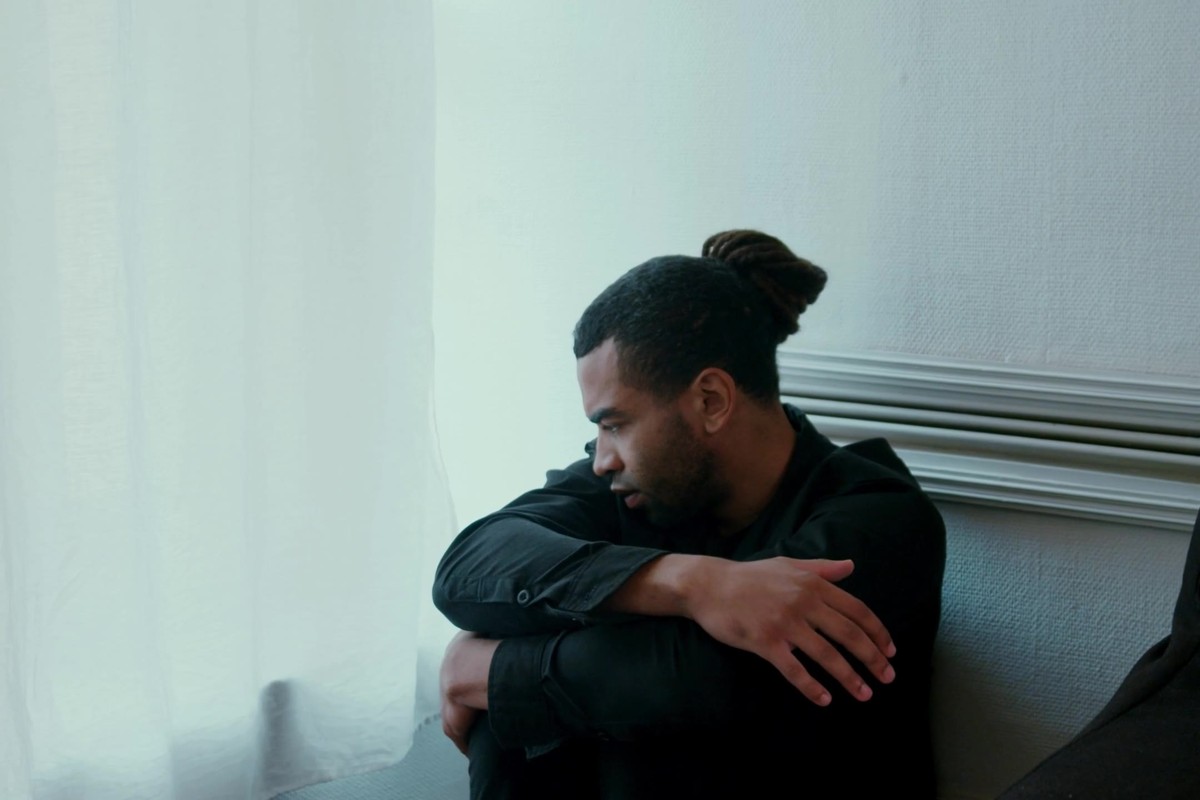
The air was so cold that morning, you could practically see your breath hanging in the living room. It was one of those winter days where the light felt thin and distant, and the outside world seemed muffled by a fresh layer of snow. I remember feeling a low hum of frustration, an undefined irritation that had been clinging to me for days. My usual response would have been to spring into action – tackle a task, plan something, distract myself. Instead, I found myself sitting on the worn rug in front of the window, pulling my knees to my chest. The cold seeped through the windowpanes, a subtle chill on my skin. I just sat, and for once, I didn't try to push away the tight, restless feeling in my chest. I just let it sit there with me, like an unwanted guest I finally allowed through the door.
What When Things Fall Apart Actually Says About Difficult Emotions
Pema Chödrön's *When Things Fall Apart* is a profound guide to navigating the inevitable pain and uncertainty of life. Drawing on Buddhist teachings, Chödrön offers radical wisdom for when our world seems to unravel. The core message is not to escape suffering, but to lean into it with tenderness and openheartedness. She challenges the conventional human impulse to seek comfort and security at all costs, arguing that true liberation comes from embracing the messy, uncomfortable reality of impermanence and dissatisfaction.
Chödrön emphasizes the practice of 'leaning in' to difficult emotions like despair, frustration, and anger, rather than repressing them or acting them out. She suggests that these feelings are not obstacles to peace, but rather gateways to deeper wisdom and compassion. By learning to stay with our discomfort, even for a few moments, we begin to dissolve the patterns of aversion that cause so much suffering. She encourages readers to cultivate *maitri*, or unconditional friendliness towards oneself, especially during times of struggle. This practice of radical self-acceptance allows us to transform fear and pain into a source of strength and genuine connection to our shared human experience. It's about finding the inherent goodness and resilience that exists even in the midst of breakdown.
The Quiet Rebellion on the Rug
For most of my life, my strategy for dealing with discomfort has been avoidance or immediate problem-solving. A knot of anxiety? Dive into work. A pang of sadness? Scroll endlessly. This internal scramble to 'fix' or 'escape' had become so ingrained that I barely noticed it happening anymore. It was like an automatic reflex. But that cold winter morning, sitting on the rug, felt different. It was less about giving up and more about giving *in*.
I just let the irritation be. I noticed its physical sensations – a buzz in my head, a tension in my jaw. I didn't analyze it, didn't try to trace its origins, didn't label it as 'good' or 'bad.' It was just a feeling, passing through. There was a faint scent of old wood and dust in the room, and the soft sound of my own breathing. The act felt small, almost insignificant, but the internal shift was enormous. It was a quiet rebellion against the constant striving, a radical acceptance of the present moment as it was, messy and unresolved. It taught me that sometimes, the most courageous thing you can do is simply allow what is, without judgment or resistance. And that, surprisingly, can create space for something new to emerge.