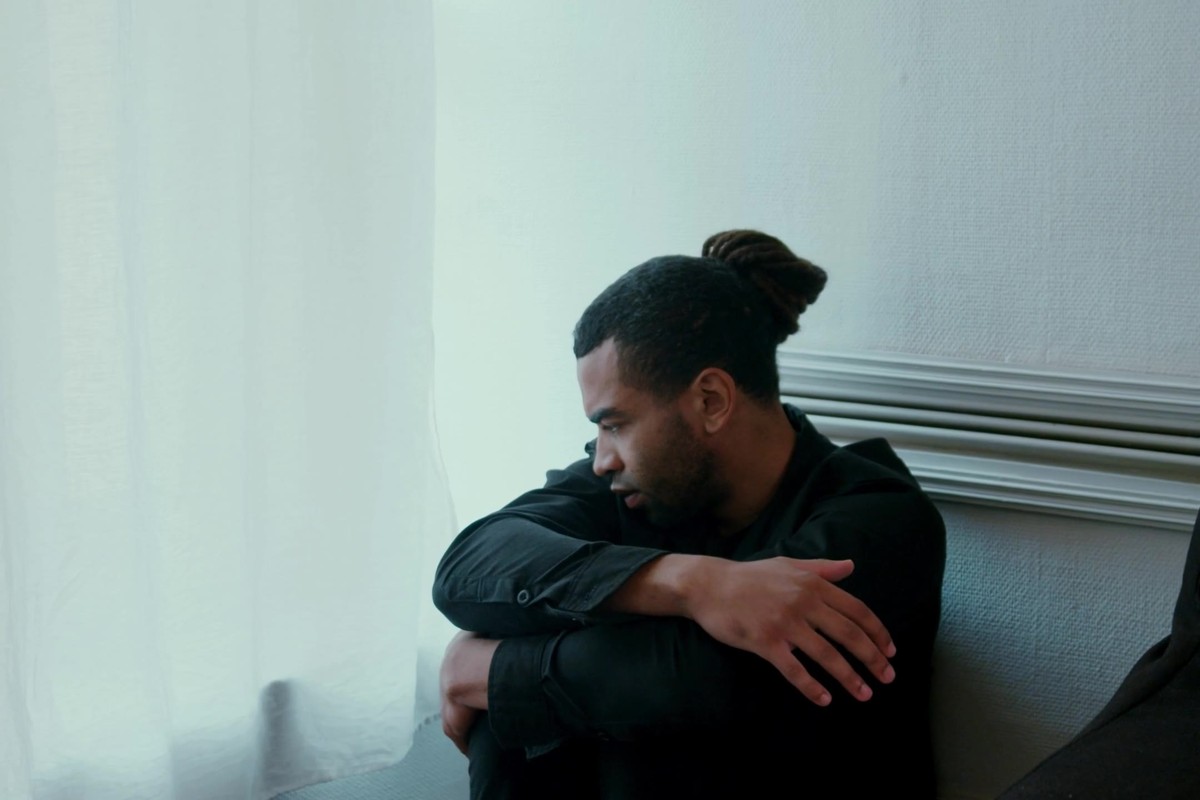
The air in the house felt thick that morning, heavy with an unspoken tension that had been building for weeks. I remember the way the sunlight, usually a welcome visitor, just illuminated the dust motes dancing in the silence, making everything feel even more still and stagnant. I was sitting at the kitchen table, tracing the condensation on a cold glass of water with my fingertip, trying desperately to find a way out of the suffocating feeling that had wrapped itself around me. My shoulders were hunched, a familiar posture of defense.
I kept replaying conversations, dissecting every word, every look, searching for what I had done wrong, what *I* needed to fix. It was a relentless loop of self-criticism, a harsh inner voice determined to find the flaw and eradicate it. The scent of burnt toast from breakfast, long since cleared, still lingered, a faint, metallic tang in the air that somehow mirrored the acrid taste of my own self-judgment. I wanted to escape myself, to shed this uncomfortable skin, but there was nowhere to go. My hands felt clammy and restless.
What When Things Fall Apart Actually Says About Self-Acceptance
Pema Chödrön’s `When Things Fall Apart` is a profound and unvarnished guide to navigating the pain and uncertainty of life using Buddhist teachings. Far from offering quick fixes, Chödrön invites readers to lean into their discomfort, to make friends with fear, and to find stability in the midst of chaos. The quote touches on a central theme: our deepest suffering often stems from our resistance to our own experience, our refusal to fully love and accept ourselves, especially when we feel messy, broken, or in pain. Chödrön argues that true compassion begins with ourselves, and that instead of constantly battling our "unwanted" emotions or aspects of ourselves, we can cultivate an open, gentle curiosity towards them. She introduces concepts like *maitri* (unconditional friendliness toward oneself) and the practice of "leaning into the sharp points," encouraging us to stay present with uncomfortable feelings rather than pushing them away. The book isn't about avoiding pain; it's about transforming our relationship with it, realizing that our perceived flaws and difficulties are often the very doorways to deeper wisdom and genuine connection. It challenges the societal narrative that happiness means the absence of pain, proposing instead that wholeheartedness includes both joy and sorrow.
The Surprising Freedom in Laying Down Arms
That afternoon, sitting on the cold kitchen floor, surrounded by the quiet hum of the refrigerator and the faint, lingering smell of old coffee, something shifted. I stopped trying to intellectualize, to strategize, to "fix" the profound sadness I felt. It wasn't a choice; it was an exhaustion so deep that all defenses simply collapsed. My shoulders, which had been tight and rigid for so long, slowly, almost imperceptibly, relaxed. My hands, which often clutched at imaginary solutions, simply rested flat on the cool linoleum. It felt like a small, quiet surrender to the fact of my own messy, aching humanity. It wasn't a breakthrough where suddenly everything was okay. It was just a brief moment of truce, a quiet acknowledgment that perhaps the incessant struggle against myself was part of the problem. There was no grand insight, no sudden understanding. Just the physical sensation of a very small weight lifting, the air feeling slightly less thick around me. It was the first step toward realizing that perhaps the aggression wasn't *from* the pain, but *to* the pain itself.
Key Takeaways
- Stop fighting your experience: resistance to pain often causes more suffering than the pain itself.
- Cultivate self-compassion: treat yourself with the same kindness and understanding you'd offer a friend.
- Lean into discomfort: instead of avoiding difficult emotions, practice staying present with them with curiosity.
- Embrace impermanence: everything changes, including difficult feelings; allow them to arise and pass.
- Authenticity over perfection: true healing comes from accepting your whole, imperfect self.
- Soften your edges: learn to relax into moments of vulnerability rather than hardening against them.
Should You Read When Things Fall Apart?
If you're in a period of intense difficulty, grief, or uncertainty, and you're tired of advice that tells you to "look on the bright side," this book offers a profound alternative. It's not a superficial guide to happiness, but a deeply compassionate exploration of how to meet life's challenges with an open heart. Chödrön's wisdom is both comforting and challenging, pushing you to explore your own patterns of resistance and self-betrayal. It’s for anyone who is ready to stop running from their pain and instead learn how to be present with it, transforming suffering into a source of wisdom and courage. If you're looking for genuine, slow, and honest healing, this is a powerful companion.