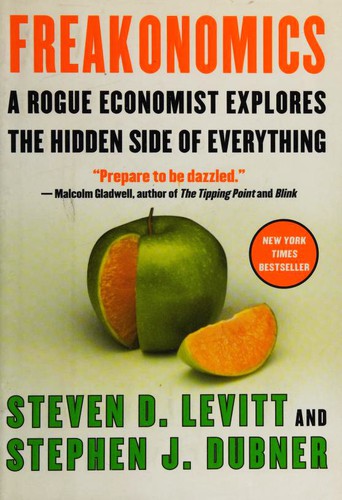
The rain outside my window was relentless, drumming a steady rhythm against the glass, matching the dull ache I felt in my chest. My phone lay face down on the coffee table, a mute witness to another afternoon spent scrolling through old messages, dissecting conversations that were long over and couldn't be changed. I’d been carrying this little paperback around for weeks, dog-earing pages, but somehow always managing to get stuck right before the part where things were supposed to change.
I had this big writing project looming, something I was genuinely excited about, a chance to finally put some of my ideas into the world. But every time I sat down at my desk, I'd find an excuse. A sudden, urgent need to clean the kitchen, a phantom craving for a snack I didn't even want, or just an overwhelming urge to revisit past mistakes in my mind. It was a pattern so familiar it felt like a second skin. I’d plan my attack, feel motivated, and then, right at the precipice of starting, I’d pull back. Not because of external forces, not because of a sudden emergency. Just… me. A quiet, internal resistance that felt impenetrable.
One evening, huddled under a blanket, nursing a cup of lukewarm tea, the words on a page practically leaped out at me. It talked about how we often mistake our familiar comforts – even our familiar misery – for safety. That the things holding us back aren't always external monsters, but often the very walls we build around ourselves, mistaking them for protection. The book suggested that the 'mountain' we need to overcome isn't out there somewhere; it's *us*. Our own habits, our own fears, our own refusal to truly let go of what isn't serving us.
It hit me like a cold splash of water. All those times I blamed circumstance, or bad luck, or even other people for my stagnation. The truth was, I was often the most diligent architect of my own delays. The self-sabotage wasn't a sudden ambush; it was a deeply ingrained strategy I'd developed to avoid… what? Failure? Success? The unknown? I didn't have all the answers in that moment, but the recognition was a stark, uncomfortable relief. The sheer simplicity of it, that *I* was the obstacle, made everything else fall away. I didn't magically finish my project that night, or even the next day. But something shifted. The internal monologue went from 'why is this happening to me?' to 'what am *I* doing to make this happen?' It's a quieter question, less dramatic, but infinitely more powerful. And it’s a question I’m still learning to answer, one hesitant step at a time.