The blue light of the laptop screen cast long shadows across my living room. It was 3 AM again, the only sound the soft hum of the refrigerator in the kitchen and the distant sigh of the wind outside. My fingers traced the cold rim of a mug that had long since held tea, now just a vessel for cooling anxieties. The house was quiet, everyone else asleep, and in that profound stillness, my mind often became a frantic echo chamber. I’d spent countless hours in that exact spot, scrolling, ruminating, replaying conversations, dissecting silences, all in an desperate attempt to make sense of why relationships, which should have been sources of comfort, so often felt like intricate, anxiety-inducing puzzles. Each new connection seemed to follow a script I knew intimately, one filled with initial exhilaration, followed by a slow, creeping dread as familiar patterns emerged, leaving me feeling just as alone as before.
The air felt heavy that night, thick with unasked questions and unexpressed fears. My shoulders were tight, a perpetual knot forming between my shoulder blades from the tension I carried. I remembered a friend once telling me that I "loved too hard," a comment that stung deeply because, to me, it felt like I was constantly trying to brace myself against potential abandonment. I wanted to connect, deeply and genuinely, but every perceived slight, every moment of distance, sent me spiraling into a familiar internal chaos. It was in this state of quiet desperation, the kind that settles deep into your bones, that I stumbled upon a book recommendation, not for quick fixes or surface-level affirmations, but for something that promised to explain the very architecture of how we connect, or fail to connect, with others.
The Idea That Stayed With Me
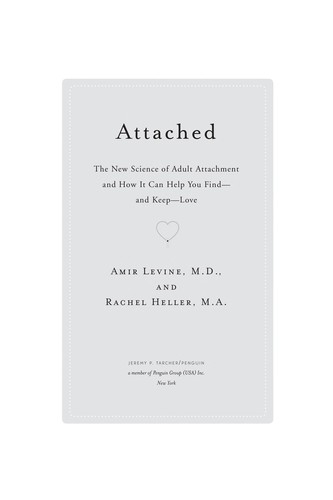
The central revelation of "Attached" by Amir Levine and Rachel Heller wasn't just a concept; it felt like a mirror held up to my entire relationship history. The book unpacks adult attachment theory, proposing that the way we bond in adult romantic relationships is deeply rooted in our earliest experiences with caregivers. Instead of seeing our relational struggles as personal failings or incompatible personalities, it offers a framework of three primary attachment styles: Anxious, Avoidant, and Secure.
People with an Anxious attachment style often crave intimacy, fear rejection, and tend to worry excessively about their partner's availability and responsiveness. They might misinterpret signals, constantly seek reassurance, and become preoccupied with the relationship, sometimes pushing partners away with their intensity. On the flip side, individuals with an Avoidant attachment style tend to value independence highly, often feeling uncomfortable with too much closeness or emotional expression. They might pull back when intimacy deepens, prioritize self-sufficiency, and struggle to open up, fearing engulfment or a loss of autonomy. Then there are those with a Secure attachment style, who generally feel comfortable with both intimacy and independence, can communicate their needs effectively, and trust their partners to be there for them. They handle conflict with less emotional drama and foster healthy, resilient connections.
What truly resonated was the book's assertion that these aren't personality traits in a rigid sense, but rather "internal working models" – subconscious blueprints for how we expect relationships to function and how available others will be to our needs. It wasn't about being "needy" or "cold," but about deeply ingrained strategies developed to get our needs met, or protect ourselves from perceived harm, based on past experiences. The book makes a compelling case that understanding these styles—our own and our partners'—is the key to navigating the often-turbulent waters of romantic relationships. It frames relationship dynamics not as a clash of wills, but often as a dance between different attachment needs and fears, a dance that can become harmonious once each partner understands the other's fundamental moves and underlying motivations. It underscores that we are biologically wired for connection, and these styles are simply different, sometimes maladaptive, ways we try to achieve that essential human need. Recognizing these patterns brings an incredible sense of relief and, crucially, offers a path to communicate more effectively and build more secure bonds. The idea that we can actively work towards becoming more secure, or at least navigate our insecure styles more consciously, was a revelation that slowly began to dismantle years of self-blame.
The Whisper of Silence and a Text Message
I remember one particular afternoon, shortly after I’d first read "Attached," when the concepts went from theoretical to acutely personal. My partner, Mark, and I had been having a perfectly lovely weekend, but Sunday evening, he mentioned he was heading out for a solitary bike ride, something he did to unwind. He was quiet when he left, perhaps a bit tired from the day. As the hours stretched into evening and I hadn’t heard from him, a familiar, cold dread began to curl in my stomach. The silence grew heavier with each passing minute. My phone, sitting innocently on the coffee table, started to feel like a judgment, a harbinger of bad news.
My mind, well-practiced in this particular anxious ballet, began to construct elaborate narratives: he was annoyed with me, he regretted something I’d said, he was pulling away, he was perhaps even reconsidering our entire relationship. I started rehearsing potential confrontations, trying to figure out what I had done wrong. My usual response would have been to send a series of probing texts – "Are you okay?" "Everything alright?" "Long ride?" – each one escalating in implicit anxiety, hoping to elicit an immediate, reassuring response. When none came, I’d typically retreat into a shell, feeling rejected and hurt, preparing for the inevitable distance.
But this time, a small, insistent voice, informed by what I'd just consumed, broke through the noise. *Avoidant partner needs space to decompress.* *Anxious partner interprets space as abandonment.* I paused. Mark wasn't intentionally withholding; he was just engaging in his own form of self-regulation, which, for someone with a tendency towards avoidance, often meant a period of solitary decompression after intimacy or social engagement. My anxious mind, wired to seek constant reassurance, immediately jumped to worst-case scenarios when that reassurance wasn't instantly available.
Instead of typing out a frantic message, I took a deep breath. I picked up my phone, not to text Mark, but to type a reminder to myself in my notes app: "He's not pulling away *from* me, he's pulling back *to* himself." It was a subtle but profound shift. When Mark eventually texted me, much later, simply saying, "Home, long ride, bit tired," my response wasn’t tinged with accusation or a passive-aggressive chill. It was genuinely, "Glad you had a good ride. Sleep well."
The internal shift didn't magically erase my anxious tendencies. The initial pang of worry was still there. But the *reaction* to that worry was different. It allowed me to see Mark's behavior through a new lens, not as a personal slight, but as an expression of his own internal blueprint, one that needed space just as much as mine needed closeness. It was the first time I felt like I had a roadmap, a way to navigate my own emotional landscape and understand his, without getting lost in the dense forest of assumptions and fear. It showed me that conscious awareness of these dynamics could create a vital pause, an opportunity to respond with understanding rather than reactive pain. It wasn't about changing who I was, but about understanding the deeper mechanics at play and choosing a more constructive path forward. The silence that had once filled me with dread now simply was, an empty space waiting to be filled with genuine connection, not anxious projections.
What I'd Tell Someone Starting This Book
- Approach this book with an open mind about your *own* patterns first. It’s easy to start identifying everyone else's style, but the real growth comes from a deep, honest look at your own responses and needs.
- Be prepared for some uncomfortable truths. Recognizing your attachment style might feel like an indictment at first, especially if it's insecure. Remember, these are survival strategies, not moral judgments.
- Don't treat it as a definitive label for yourself or anyone else, but rather as a framework for understanding tendencies. People can and do move along the attachment spectrum, and circumstances can bring out different facets.
- Pay close attention to the communication strategies it suggests for each style. The advice for expressing needs, handling conflict, and providing reassurance is practical and incredibly valuable, far beyond just identifying types.
- Keep a journal or notes as you read. Writing down specific examples from your own life that align with the descriptions will help solidify the concepts and make them feel less abstract, more personally relevant.