
High-functioning anxiety often manifests as an internal experience of worry and stress, even while an individual appears outwardly successful and composed. It looks like consistently meeting deadlines, taking on extra responsibilities, being detail-oriented, and often achieving a lot. However, beneath this polished exterior, there's a constant mental churn, perfectionism, fear of failure, and an overwhelming pressure to maintain control. People experiencing high-functioning anxiety might struggle with internal restlessness, sleep disturbances, and physical symptoms like tension headaches or digestive issues, all while pushing themselves to appear fine. It’s a silent battle between internal chaos and external composure.
What High-Functioning Anxiety Looks Like Up Close
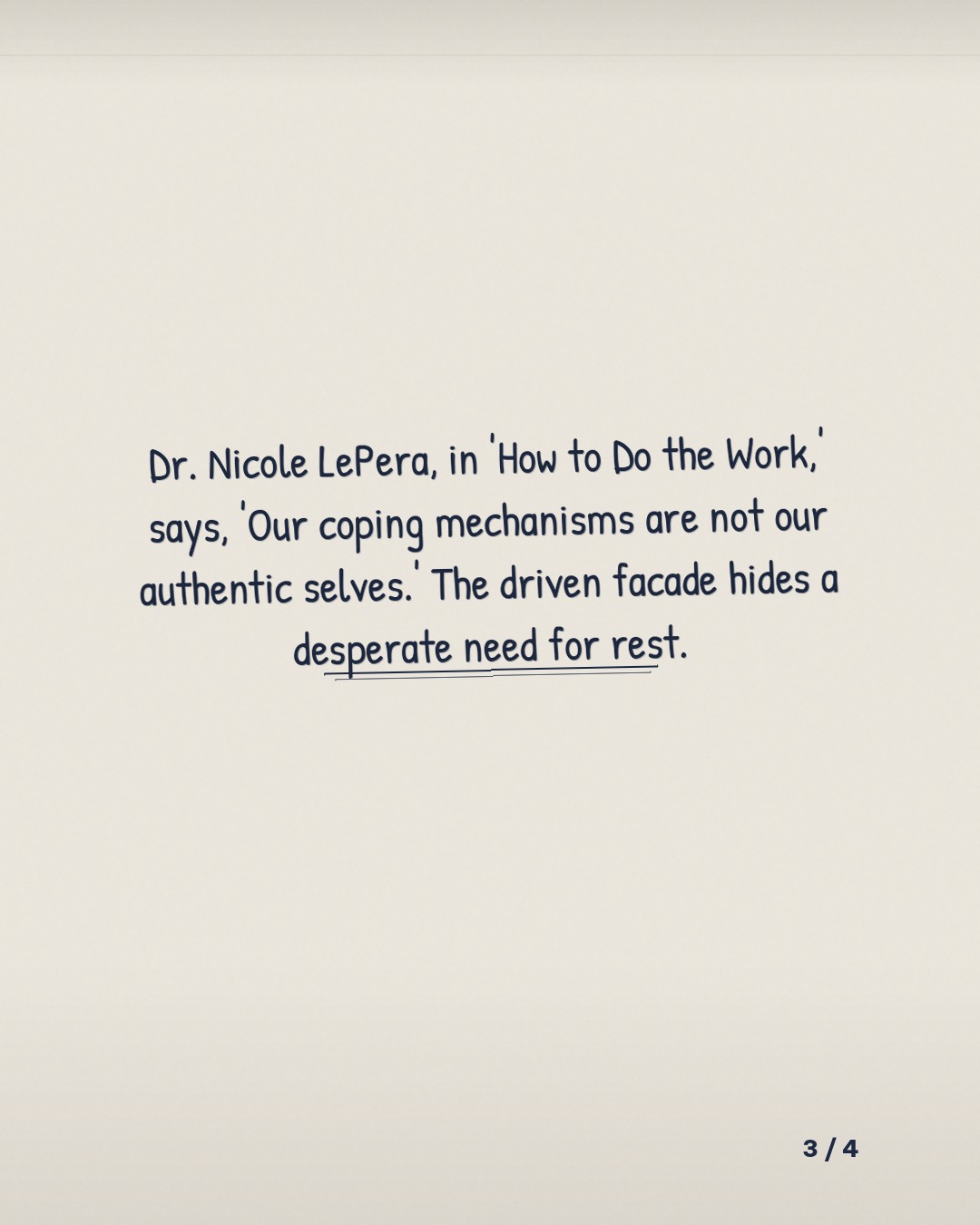
High-functioning anxiety is a complex experience where individuals manage to navigate daily life with competence, often excelling in their careers and personal responsibilities, while simultaneously battling intense internal anxiety. This isn't a formal diagnosis but a lived experience characterized by a relentless drive for perfection, an inability to relax, a fear of judgment, and a tendency to overthink every decision. The outward presentation is often one of high achievement and capability, making it difficult for others—and sometimes even the individual—to recognize the depth of the internal struggle. The constant pursuit of external markers of success often serves as a coping mechanism to manage internal unease, creating a cycle of busyness that prevents genuine introspection or rest. Dr. Nicole LePera, in her book "How to Do the Work," speaks to the idea that "Our coping mechanisms are not our authentic selves," highlighting how these outwardly successful behaviors can mask deeper, unaddressed emotional needs.
- **The Perfectionist Drive:** You set incredibly high standards for yourself and are constantly worried about making mistakes. This often leads to over-preparation, meticulous attention to detail, and a fear of delegating tasks because "no one else can do it as well." The internal pressure to be flawless is exhausting.
- **Constant Busyness:** You fill your schedule to the brim, believing that productivity equals worth. There’s a fear of downtime, as it allows your anxious thoughts to surface. You might feel guilty relaxing or engaging in non-productive activities, always feeling like there's "more" you should be doing.
- **Difficulty Relaxing:** Even when you try to rest, your mind keeps racing. You might struggle to fall asleep, find yourself constantly replaying conversations, or worrying about future scenarios. True mental and physical rest feels elusive, and you might turn to habits like endless scrolling or overworking to avoid stillness.
- **Overthinking and Indecision:** Every decision, big or small, becomes a source of intense deliberation. You analyze every possible outcome, seek excessive reassurance, and often second-guess yourself long after a choice has been made. This constant mental analysis can be paralyzing.
- **Invisible Physical Symptoms:** While you might appear calm, your body often bears the brunt of the anxiety. This can manifest as chronic muscle tension, headaches, digestive issues, a racing heart, or unexplained fatigue. These physical cues are often ignored or dismissed as "just stress."
- **People-Pleasing Tendencies:** A fear of upsetting others or being perceived negatively can lead to saying "yes" when you mean "no." You might go out of your way to anticipate others' needs or avoid conflict, further adding to your mental load and neglecting your own needs.
- **Secret Self-Criticism:** Despite external success, there's often an inner critic that relentlessly judges your performance, worth, and capabilities. You might downplay achievements or feel like an imposter, constantly fearing that others will discover you're "not as good as they think." Recognizing these patterns is a vital step toward creating space for self-compassion and genuine well-being.