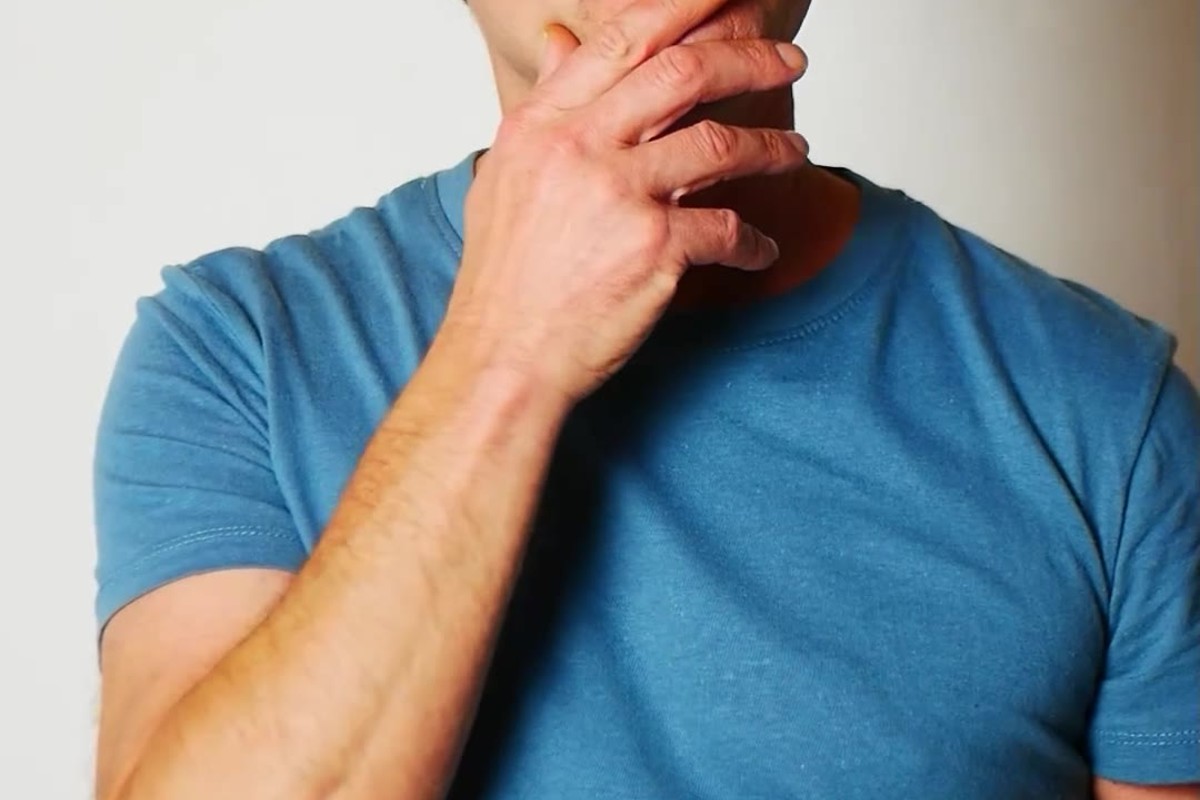
The kitchen still smelled faintly of roasted vegetables from dinner, a comforting mix of herbs and warmth that usually settled me. But that evening, despite the gentle domesticity of the scent, I felt anything but settled. There was a familiar agitation buzzing beneath my skin, a feeling of being 'not enough' that often accompanied the quiet of the night. I found myself slumped against the cool kitchen counter, staring out at the darkened garden, the streetlights just beginning to glow. For years, my response to this feeling had been to push it away, to argue with it, to try and logic myself out of it. It was like a constant internal wrestling match, and in that moment, leaning against the cold laminate, I felt utterly, completely exhausted by the fight. The sheer futility of it washed over me, and for the first time, I just... stopped. I dropped the rope. And in that quiet surrender, a deep, full breath finally came.
What Radical Acceptance Actually Says About Freedom
Tara Brach's *Radical Acceptance* is a transformative guide to finding freedom through self-compassion and mindfulness. Brach argues that much of our suffering comes not from the pain itself, but from our resistance to it – the constant judgment, the pushing away, the belief that we are somehow fundamentally flawed or 'not good enough.' This internal struggle, which she calls the 'trance of unworthiness,' keeps us trapped in cycles of fear and self-criticism.
Radical acceptance, as Brach defines it, is a clear, compassionate embrace of all that arises in our experience – our thoughts, emotions, and physical sensations – without judgment or resistance. It's a willingness to meet ourselves exactly where we are, with openhearted awareness. This doesn't mean condoning harmful behavior or becoming passive; rather, it's about acknowledging the reality of our present moment without fighting it. By cultivating this radical presence and self-compassion, we begin to disentangle ourselves from the habitual patterns of aversion and attachment that bind us. When we truly accept our experience, a profound shift occurs: the energy previously spent in resistance becomes available for healing, growth, and genuine connection. It's in this space of acceptance that true inner freedom and peace can emerge, allowing us to respond to life with greater wisdom and kindness.
The Faint Scent of Freedom
That evening, leaning against the counter, was a turning point. It wasn't a dramatic event, no fireworks or grand revelations. It was simply the moment I realized I was more exhausted by fighting myself than by the actual feelings. The 'not good enough' narrative had been playing on a loop for so long, and I had been dutifully trying to mute it, overpower it, or reason with it, all to no avail.
When I finally let go, when I simply allowed the familiar agitation to be there without trying to change it, a strange quiet descended. The kitchen smells, the dim light from the window, the cool counter against my arm – all of it sharpened. It wasn't that the feeling instantly vanished; it was still there, but its power over me diminished. It was no longer an enemy to be vanquished but a transient visitor. That first conscious, unforced breath felt like a profound release, a physical sensation of something unlocking in my chest. It wasn't about finding a solution; it was about finding a different way to relate to my own internal landscape. And in that simple act of acceptance, a vast, unexpected sense of space opened up within me, like a tiny window finally letting in fresh air.