The sun was just starting to burn through the morning fog, leaving everything feeling damp and cool. I was out for a run, or rather, a shuffle, trying to clear my head. My mind was a jumble of half-started tasks, ambitious ideas that never quite landed, and a pervasive sense of busyness that didn't feel productive. It was a familiar pattern: the initial burst of enthusiasm, the quick dive into action, and then the inevitable fizzle. The fog lifting around me felt a lot like how my own clarity would come and go, leaving me wondering where I was headed.
What The 7 Habits Actually Says About Beginning with the End in Mind
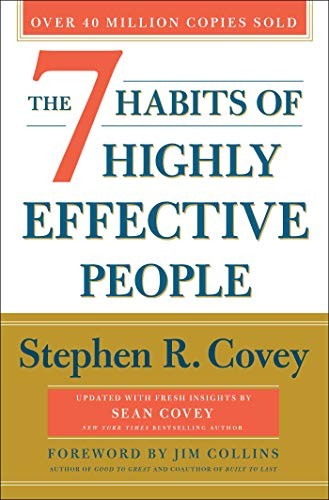
Stephen Covey's *The 7 Habits of Highly Effective People* is a foundational text in personal and professional development, and "Begin with the End in Mind" is its second, profoundly impactful habit. This principle isn't just about setting goals; it's about defining your values and understanding what truly matters to you before you embark on any endeavor. Covey argues that all things are created twice: first in the mind (mental creation), and then physically (physical creation). If you don't take control of that first creation – the vision, the purpose, the ultimate destination – someone or something else will. This means actively engaging your imagination and conscience to envision your desired future, whether it's for a single project, a meeting, or your entire life.
Covey uses the powerful metaphor of imagining your own funeral. What would you want people to say about you? What kind of spouse, parent, friend, or colleague do you want to have been? This exercise helps clarify your deepest values and life purpose, providing a personal mission statement that acts as a blueprint for all your actions. It's about proactive creation, ensuring that your daily activities and decisions are aligned with your core principles and long-term vision, rather than simply reacting to immediate pressures or external expectations. This habit empowers individuals to be the architects of their own lives, moving beyond mere survival to a state of intentional, purpose-driven living where every step contributes to a desired outcome.
The Quiet Power of This Simple Question
I used to think 'begin with the end in mind' meant having a detailed, step-by-step plan for everything. And honestly, that felt overwhelming and stifling. But then I reread it, and it hit me differently. It's not about the granular steps; it's about the *destination*. It's about asking, "If this goes perfectly, what does 'perfectly' even look like? What will I have accomplished? How will I feel?" It's less about the how and more about the why. This shift freed me from the pressure of knowing all the answers upfront. Now, before I dive into something new – even something small like organizing a drawer – I take a moment. I close my eyes and visualize the *feeling* of having it done, the *outcome* I want. It’s a quiet pause that brings an almost immediate sense of direction and calm, making the work itself feel less like a chore and more like a deliberate act.
Key Takeaways
- All things are created twice: mentally then physically.
- Define your values and ultimate vision before taking action.
- Use imagination and conscience to clarify your purpose.
- Create a personal mission statement as your life's blueprint.
- Align daily activities with your long-term goals and principles.
- Proactively design your life instead of merely reacting to it.
Should You Read The 7 Habits of Highly Effective People?
If you feel like you're constantly busy but not truly effective, or if you're looking for a framework to bring more intention and purpose to your life, this book is a classic for a reason. Covey's principles are timeless and applicable whether you're managing a team or just trying to manage your own day. It's not a book of quick tips, but rather a profound shift in mindset that, once integrated, can lead to deep and lasting changes. If you're ready to move beyond simply doing more and start doing what truly matters, the enduring wisdom within these pages offers a powerful guide.