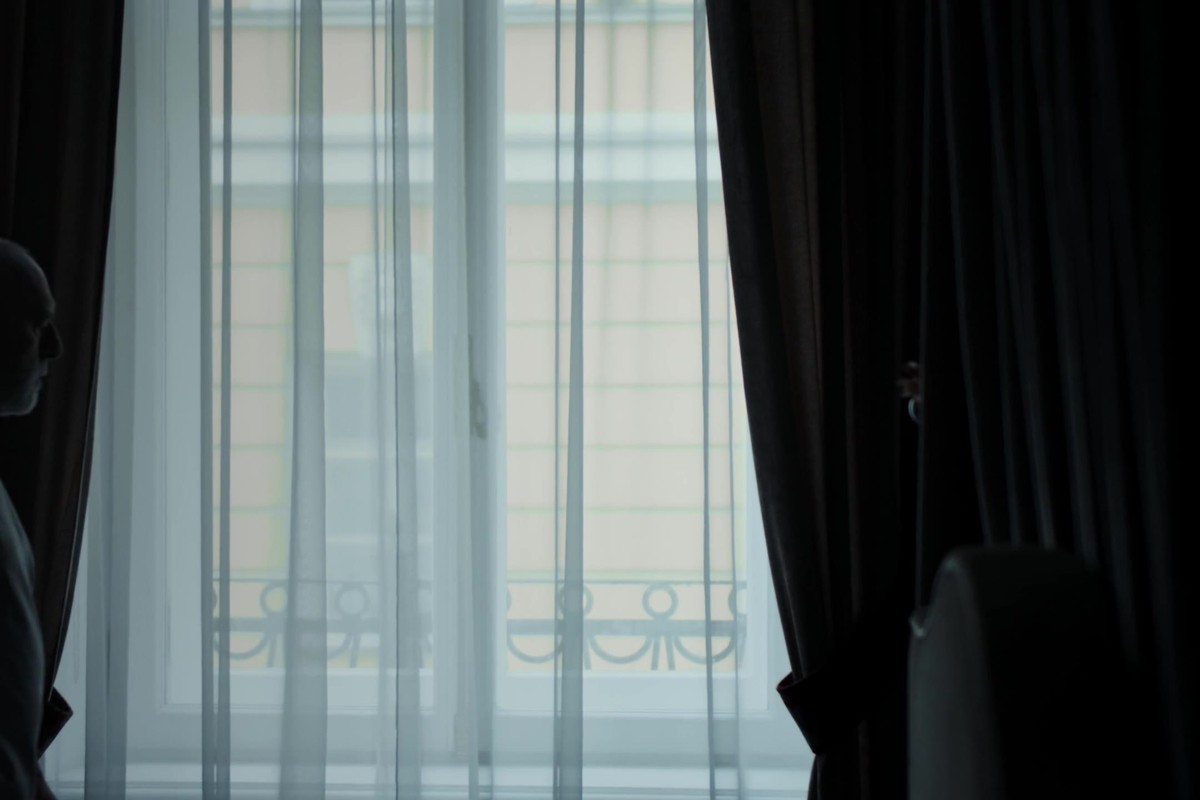
I used to think my thoughts *were* me. Every worry, every critical judgment, every spiraling anxiety – it all felt like an intrinsic part of my being. If my mind said I was a failure, then I *was* a failure. If it worried endlessly about the future, then I was inherently an anxious person. This led to a constant internal battle, trying to control or suppress these thoughts, which, as anyone who’s tried knows, usually just makes them louder. It was like wrestling with shadows, getting more and more exhausted without ever making real contact. The sounds of my own breathing felt loud in my ears during those times, sometimes. Everything seemed to amplify the internal noise.
I remember one afternoon, sitting on the porch swing, trying to just "relax." But my mind was racing through an endless to-do list, replaying old conversations, concocting future scenarios. The old wooden swing creaked softly under me, and the smell of damp earth after a light rain hung in the air. I closed my eyes, trying to force the thoughts away, feeling that familiar knot in my stomach tighten. It felt like I was trapped inside my own head, with no escape.
What The Untethered Soul Actually Says About Thoughts
Michael A. Singer’s "The Untethered Soul" is a profound exploration of consciousness and the nature of the self. The central premise, beautifully captured by the quote, "You are not your thoughts, you are the one who hears your thoughts," invites a radical shift in perspective. Singer guides the reader to recognize that beneath the incessant stream of mental chatter, there exists a deeper, unchanging awareness – the "inner observer" or "consciousness."
He argues that we often mistakenly identify with the "voice in our head," allowing it to dictate our emotions and actions. This voice, with its worries, judgments, and stories, is merely a collection of conditioned responses and accumulated experiences. By creating a conscious distance between "you" (the awareness) and "your thoughts" (the mental phenomena), we can untether ourselves from their control. This doesn't mean stopping thoughts, which is often an impossible and frustrating endeavor. Instead, it means observing them without judgment, as if they were clouds passing in the sky or sounds in the distance.
Singer elaborates on how this practice of non-identification can lead to profound inner peace and freedom. When you realize you are the space in which thoughts arise, rather than the thoughts themselves, their power over you diminishes. You become less reactive, more centered, and able to navigate life's challenges from a place of spaciousness rather than entanglement. He introduces concepts like the "inner roommate" – the constant voice narrating your life – and encourages readers to notice its patterns without getting caught up in its drama. The book also delves into confronting your "blockages" or energy disturbances, seeing them not as flaws but as opportunities for release and growth, all through the lens of conscious observation. It's about letting go of the internal struggle and surrendering to the natural flow of existence, trusting that the inherent peace of the observer is always available.
The Quiet Space Between
When I first read that line, it felt like a tiny crack appeared in the wall of my mind. I was sitting on my worn armchair, the fabric soft under my hands, a mug of cold tea forgotten on the side table. My mind was, as usual, spiraling about something insignificant. But then, I just paused. And instead of trying to *stop* the thought, I just noticed it. It was like I took a step back inside my own head. And there it was: the thought, and then, distinctly, the part of me that was *noticing* the thought. It wasn't a sudden zen master breakthrough, just a brief, quiet moment of separation. The thought was still there, a little murmur about tomorrow’s to-do list, but it felt… less urgent. Like a little radio playing in the next room instead of directly inside my ear. That distinction, however fleeting, felt like a breath of fresh air, a subtle shift in gravity. It wasn't about erasing the internal noise, but simply changing my relationship to it. It was like realizing I had a choice to either get tangled in the street traffic or just watch it go by from my quiet window.
Key Takeaways
- Recognize that your true self is not the constant stream of thoughts and emotions, but the conscious awareness observing them.
- Practice detaching from your thoughts by simply noticing them without judgment or engagement, creating a space between observer and observed.
- Understand that trying to control or stop thoughts is often counterproductive; true freedom comes from non-identification.
- Cultivate the "inner observer" to achieve a state of deeper inner peace and less reactivity to mental chatter.
- See the "voice in your head" as an "inner roommate" whose narratives you can choose to listen to or simply let pass by.
- Embrace the present moment by staying anchored in awareness, rather than getting lost in past regrets or future anxieties.
Should You Read The Untethered Soul?
If you've ever felt overwhelmed by your own thoughts, trapped in mental loops, or constantly struggling to quiet your mind, "The Untethered Soul" offers a profoundly liberating perspective. It's not a book for quick fixes or surface-level techniques. Instead, Michael A. Singer invites readers on a deep, spiritual journey to understand the nature of consciousness and find lasting inner peace by untethering from the ego. If you're open to a radical redefinition of self and willing to explore practices of deep internal observation rather than external action, this book can be a transformative experience. It’s for those seeking a more profound, enduring calm than any temporary distraction can offer, and who are ready to look inward with courage and curiosity.