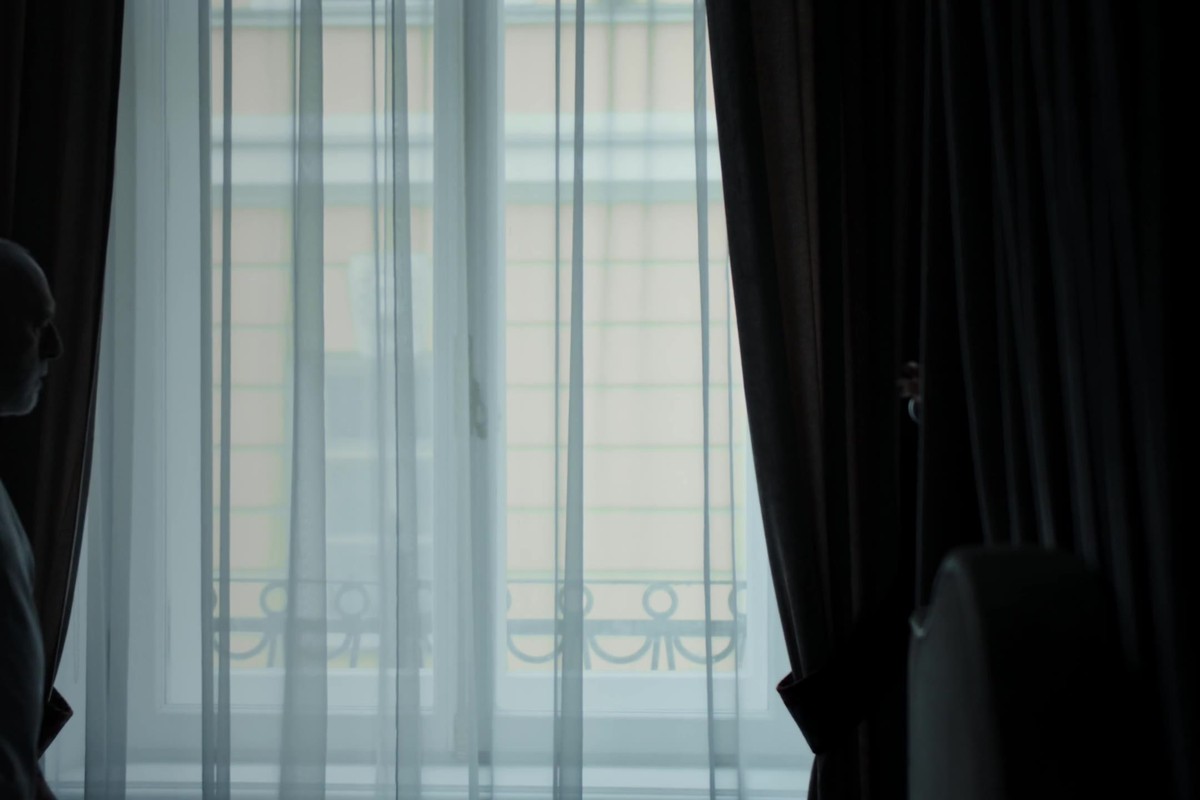

There's this worn armchair by the window in my living room, perfect for watching the world outside. One rainy afternoon, the kind where the light is soft and diffused, I sat there, a mug of lukewarm tea in my hands. The air smelled of damp earth and something vaguely green. I wasn't doing anything in particular, just letting my gaze drift over the garden, the rain making tiny, perfect circles on the leaves. For a fleeting moment, there was pure stillness, just the gentle patter. And then, as if on cue, the inner monologue started—a commentary on the rain, a mental to-do list, a replay of a conversation from the day before. It felt like a small, insistent radio broadcasting inside my skull, even when I desperately wanted quiet. This constant hum, this endless stream of thoughts, often feels like the most inescapable part of being alive.
What The Untethered Soul Actually Says About Inner Freedom
Michael A. Singer's "The Untethered Soul" offers a radical perspective on this internal experience. His core premise is that our deepest sense of self, our true consciousness, is separate from the constant stream of thoughts, emotions, and personal narratives that populate our minds. He refers to this as the 'inner voice,' the part of us that judges, analyzes, complains, and plans. Singer argues that we become 'untethered' and find true freedom not by trying to control or stop these thoughts, but by observing them from a place of detached awareness. He invites us to realize that we are the 'silent witness' to our internal world, not the contents of that world itself. By understanding that we are not our thoughts, we can create space between our true self and the mental chatter, allowing us to let go of the need to identify with every passing feeling or idea. This detachment, he explains, is the key to escaping the prisons of fear, anxiety, and ego-driven suffering. The book guides readers through practices of conscious awareness, urging them to constantly return to the present moment and observe their internal reactions without judgment, thereby breaking free from the grip of the self-created mental constructs.
The Part I Didn't Expect
What truly shifted for me wasn't just the idea of observing thoughts, but the subtle, almost imperceptible way this practice began to change my relationship with intense emotions. I used to feel completely overwhelmed by anxiety, convinced that if I felt it, I *was* it. Singer's book, through its persistent urging to just *watch* what arises, slowly taught me that the anxiety was a phenomenon passing through, like a cloud across the sky, rather than the sky itself. It didn't make the feeling disappear, but it created this tiny sliver of space, a breath between the sensation and my reaction. That space, small as it was, felt like a genuine opening, a momentary untethering from the immediate grip of discomfort. It was less about fixing something and more about recognizing its temporary nature, which in itself brought a surprising sense of relief.
Key Takeaways
- Your true self is the awareness that observes your thoughts and emotions, not the thoughts and emotions themselves.
- True freedom comes from detaching from the constant commentary of your inner voice and simply witnessing it.
- Practices like meditation and conscious observation help create space between you and your mental activity.
- Identifying with your thoughts and feelings is a primary source of suffering and limits your potential.
- Letting go of the need to control or change your internal state opens the door to profound peace.
- The goal isn't to silence the mind, but to change your relationship with its activity.
Should You Read The Untethered Soul?
If you're curious about deeper levels of self-awareness, if you feel perpetually caught in your head, or if you're searching for a way to transcend everyday anxieties and find lasting inner peace, "The Untethered Soul" is an essential read. It's not a book for those seeking practical advice on specific problems, but rather for anyone on a spiritual or philosophical journey to understand the nature of consciousness and liberation. Be prepared for a book that challenges conventional thinking about identity and ego; it's a transformative experience for those open to its profound insights. It's a book to be savored, reread, and allowed to gently re-wire your perspective, not something to rush through.