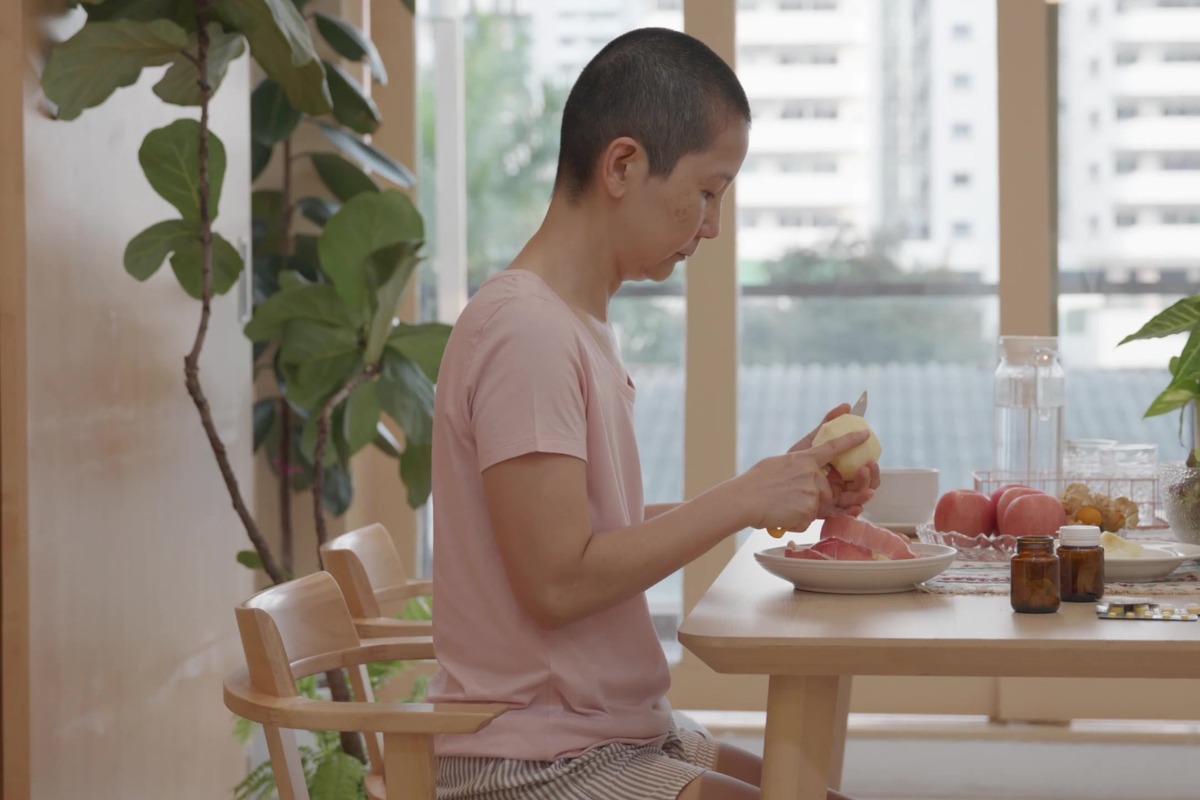
The quiet chaos of a home often begins with small, overlooked tasks. A few dishes left in the sink after dinner turn into a stack by morning. One unopened email multiplies into an overflowing inbox. These seemingly minor neglects accumulate, creating a subtle but persistent backdrop of low-level stress. It’s not just the physical clutter; it’s the mental load – the constant flicker in the back of our minds reminding us of undone chores, the feeling of always being slightly behind. This accumulation creates a feeling of being perpetually overwhelmed, even when no single task is inherently difficult.
This feeling of 'too much' isn't always about the task itself, but about the narrative we attach to it. A pile of laundry isn't just fabric; it represents time we don't have, energy we lack, or a failure to keep up. The dishes in the sink aren't merely ceramic; they become a symbol of our responsibilities, a visual representation of the demands on our time. When we learn to separate the physical task from the emotional story we've layered onto it, a profound shift occurs. We move from feeling burdened to simply being present with the act, allowing even mundane moments to become opportunities for a quiet pause.
The Silent Burden of 'Too Much'
When daily tasks feel like monumental hurdles, it’s often because of how we perceive them:
- **Catastrophic thinking:** A small mess transforms into evidence of overall failure or impending chaos.
- **Future tripping:** The simple act of washing dishes expands into thoughts of all the other chores that follow, creating a sense of endlessness.
- **Perfectionism paralysis:** The belief that a task must be done perfectly, or not at all, preventing any progress.
- **Emotional drain:** Each undone task pulls at our emotional energy, contributing to a generalized feeling of exhaustion.
- **Lack of presence:** We rush through tasks, or avoid them, missing the opportunity to be fully engaged in the present moment.
This mental burden often outweighs the actual physical effort required for the task. It's the anxiety *about* the dishes, not the dishes themselves, that drains us.
Shifting Perspective: From Burden to Breath
Reclaiming peace in the face of overwhelm involves changing our internal narrative and approaching tasks with a different mindset. It's about turning moments of dread into moments of mindful presence:
- **Micro-moments of mindfulness:** Instead of seeing the dishes as a chore, approach them as an opportunity for a sensory experience. Feel the warm water, notice the soap bubbles, hear the clinking of plates. Focus only on the current action.
- **Break it down:** If the "sink full" feels overwhelming, commit to just one plate, one cup. Celebrate that small victory. Momentum often builds from these tiny beginnings.
- **Name the emotion, then release it:** Acknowledge the feeling of overwhelm or frustration. "I'm feeling overwhelmed by this laundry." Then, gently remind yourself, "This is just laundry. I can do one load."
- **Practice radical acceptance:** Some days will be messier than others. Accept that imperfection is part of life. Not every surface needs to gleam, not every email needs an immediate reply.
- **Create designated 'doing' times:** Instead of letting tasks loom, allocate specific, short blocks of time (e.g., 15 minutes) to tackle them. This creates a boundary for the task and prevents it from expanding indefinitely.
- **Focus on the 'why':** Why are you doing this task? To have a clean plate for tomorrow's breakfast? To feel a sense of order? Connecting to the underlying purpose can add meaning.
- **Integrate small moments of self-care:** While doing a task, take a deep breath. Stretch. Listen to a short podcast or calming music. Transform the chore into a mini-retreat.
The Liberation of the Present Moment
The shift from viewing the sink full of dishes as 'too much' to seeing it as 'just a moment to breathe' is a powerful liberation. It’s about understanding that your peace isn't dependent on the absence of tasks, but on your ability to be present with them. When you engage mindfully, even the most mundane activities can become anchors to the present, quiet islands of calm in a busy day.
This practice doesn't eliminate chores, but it fundamentally changes your relationship with them. It allows you to move through your day with less internal resistance and more ease. By embracing these small, deliberate shifts, you transform the landscapes of your home and your mind, finding that true peace often resides not in the grand escapes, but in the quiet, mindful moments of everyday life.