The afternoon light filtered through the dusty blinds in my small apartment, casting long, lazy shadows across the worn carpet. My hands, usually busy with something — a phone, a keyboard, a cup of lukewarm tea — lay still, clutching the spine of a book. It was heavy, a physical anchor in a period where I felt entirely untethered. The air was thick with a quiet I had grown to resent, a quiet that echoed the internal silence I maintained to keep myself from unraveling. Outside, the city hummed its usual chaotic rhythm, but inside, I was wrapped in a profound sense of isolation, a feeling that had settled deep in my bones after years of trying to make sense of relationships that always left me feeling… less than.
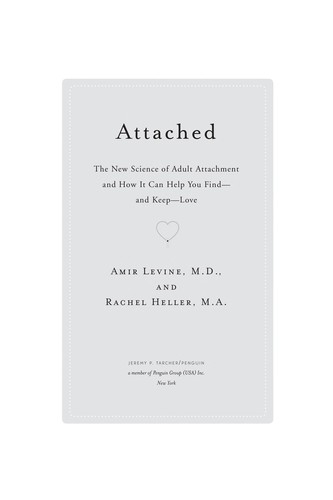
I remember the texture of the cover, slightly glossy, the title a stark declaration I had picked up on a desperate whim, scrolling through recommendations in the dead of night. There was a faint scent of old paper and something else, something metallic perhaps, like the faint tang of anxiety that often clung to me. I had been reading it in fits and starts, mostly in that particular armchair, the one by the window, where I could pretend I was just observing the world, not actively participating in its mess. Each paragraph felt less like words on a page and more like a gentle, insistent probe into the tightly wound knots I carried in my chest, knots I hadn't even realized were there, so accustomed was I to their presence.
My thumb traced the edges of the pages, still crisp in some sections, dog-eared and underlined heavily in others. It wasn't a casual read. It was more like an autopsy, a slow, careful dissection of my own emotional landscape, guided by someone else's steady hand. I wasn't looking for a magic cure, honestly. I was just looking for a reason, any reason, why things felt so consistently hard, why my internal compass seemed perpetually stuck, pointing towards a longing I couldn't articulate, a connection I never quite found, no matter how hard I tried to build it.
The Idea That Stayed With Me
The most profound realization from `Adult Children of Emotionally Immature Parents` wasn't about blame, nor was it a simple categorization of people. Instead, it offered a framework for understanding the profound, often invisible, impact of growing up with parents who, for whatever reason, were unable to consistently provide emotional attunement or mature responses. The book posits that emotionally immature parents are often consumed by their own needs, fears, and anxieties, leading them to be emotionally reactive, dismissive, or even withdrawn. They struggle with empathy, self-reflection, and genuine emotional connection, not out of malice, but out of their own undeveloped emotional capacity. This isn't about calling them "bad" parents, but rather understanding their limitations.
What truly resonated was the explanation of how this dynamic shapes the child. Children of emotionally immature parents often learn to become overly responsible, hyper-vigilant to their parents' moods, and suppress their own emotional needs to maintain a semblance of peace or to try and "fix" the parental dynamic. They might develop a "caretaker" role, always putting others' feelings first, or become intensely self-reliant to avoid disappointment. The central idea that hit hardest was the concept of "emotional loneliness" – a pervasive feeling that, despite external relationships, one lacks true emotional intimacy and understanding, because the foundational template for it was skewed. This loneliness isn't about being physically alone, but about the absence of deeply felt emotional connection. The book gently, but firmly, guides you to see that you cannot change an emotionally immature parent; their capacity is their capacity. The healing, then, lies not in trying to get them to see your pain or fulfill your needs, but in recognizing their limitations, grieving the loss of what you didn't receive, and building your own internal sense of self and emotional support system. It's about shifting your locus of control from trying to elicit a response from them to cultivating your own inner stability and peace, essentially becoming the emotionally mature adult you needed as a child, for yourself.
The Silent Phone Call
I remember one particular afternoon, years before I picked up this book. It was my birthday, and I had called my mother, full of that familiar, childish hope that this time, just this once, she might truly *see* me. I had just navigated a particularly difficult period at work, a project that had consumed months of my life, and I was exhausted but also proud of having pushed through. I tried to share a small victory, a moment of relief. The conversation, however, quickly veered into a detailed account of *her* day, *her* frustrations with a neighbor, *her* latest ailment. I listened, of course, interjecting with appropriate murmurs of sympathy, waiting for a pause, a moment to gently redirect. When I finally managed to mention my work achievement, there was a beat of silence, then a perfunctory, "Oh, that's nice, dear. Anyway, you wouldn't believe what the mailman did today…" The switch was so immediate, so complete. The disappointment wasn't a sharp sting anymore; it was a dull ache I had become all too familiar with. I felt my energy drain, the phone growing heavy in my hand. I ended the call feeling utterly invisible, hollowed out, as if I had poured my small reservoir of hope into a sieve. The weight of that persistent, unacknowledged longing was crushing. I hung up the phone and walked straight to my bedroom, pulling the curtains against the bright afternoon, needing to hide from the world and from the stark reality that my emotional needs were, once again, utterly unaddressed. It wasn't anger I felt, not really. It was a profound sadness, a kind of weary acceptance that this was simply how it was. This book, years later, gave that persistent sadness a name and, more importantly, a path out of the constant striving for something that wouldn't come. It helped me understand that the silence on the other end wasn't personal rejection, but a reflection of a deeper, unchanging emotional landscape that had nothing to do with me, and everything to do with her.
What I'd Tell Someone Starting This Book
- Be prepared for an emotional journey, not a quick diagnostic tool. This isn't about labeling; it's about understanding and healing yourself. You might feel a profound sense of recognition, and that can be unsettling but also incredibly validating.
- Focus on your own reactions and patterns as much as you analyze your parents. The real power here is in changing how *you* respond to the past and present, not in dwelling solely on what happened to you. Look inward with compassion.
- Accept that this book is unlikely to change your parents. Its purpose is to empower *you* to change your relationship with yourself and your expectations of others, especially those who cannot meet you where you are emotionally. The healing is for you.
- Don't rush through it. Let the ideas marinate. Some concepts might be triggering, and it’s okay to put the book down, reflect, or even seek support from a therapist or trusted friend if needed. It’s a process.
- Allow yourself to grieve. This book might highlight losses you didn't fully acknowledge – the loss of a certain kind of childhood, the loss of an ideal parental relationship. Acknowledge that grief as a valid part of your healing.