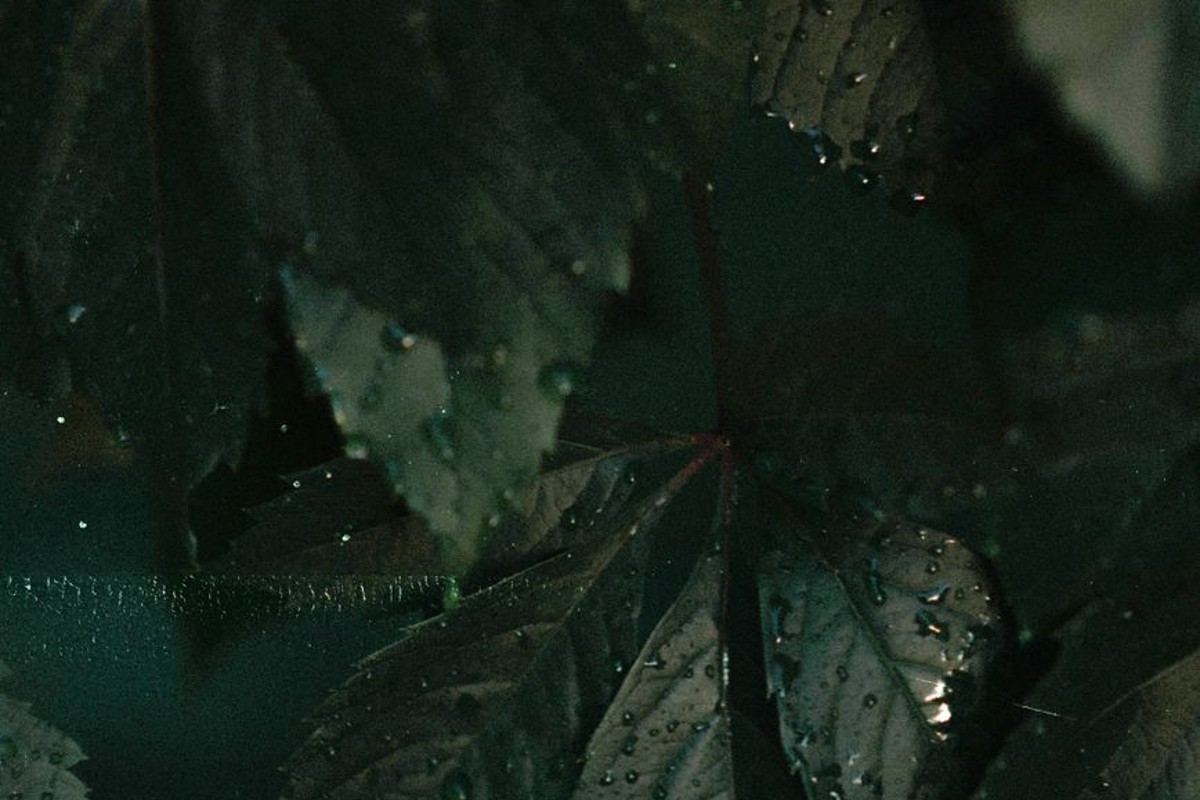

Picture this: a small, perpetually damp apartment in a city I hadn't yet learned to love. It was winter, and the sky seemed permanently bruised, letting out a thin, persistent drizzle that tapped a monotonous rhythm against my window. My hands, often clammy with a nervous energy I couldn't shake, would tightly grip a mug of lukewarm tea or, more often, just clutch each other as I sat slumped on an old, overstuffed armchair. Everything felt heavy, muted, and thoroughly out of sync.
I remember the distinct smell of old paperbacks mingled with the faint, metallic scent of the rain itself. That apartment was meant to be a fresh start, a new geography to somehow reconfigure my inner landscape, but the truth was, I’d packed my restlessness right along with my limited belongings. The books I bought were desperate attempts to understand why, even in a new place, I felt so utterly familiar with my own disquiet. One afternoon, I picked up a slender volume, its cover a simple, almost unassuming block of color, and began to read.
The Idea That Stayed With Me
The book, Wherever You Go, There You Are by Jon Kabat-Zinn, wasn't offering a quick fix or a dramatic transformation. Instead, it proposed something almost laughably simple, yet profoundly difficult: mindfulness. But not mindfulness as a trendy buzzword or a quick meditation hack. Kabat-Zinn laid it out as a radical act of being present, of paying attention, on purpose, to the unfolding moment, without judgment. It’s about cultivating an awareness that allows you to truly experience what is happening, both internally and externally, exactly as it is.
The central idea, to me, was a quiet, insistent whisper that my constant striving for a different reality was the very source of my suffering. I was always chasing a feeling of 'there' – a place, a state, a future where things would finally feel settled, happy, and complete. Kabat-Zinn gently nudged me to consider that 'there' was always 'here.' That wherever I went, my own mind, my own collection of thoughts, feelings, sensations, and beliefs, came right along with me. There was no escaping myself by changing my environment, my relationships, or my job. The work, he suggested, was not in running from my internal experience, but in learning how to be with it, how to observe it, even how to welcome it.
He spoke about the breath as an anchor, always available, always present, a constant thread connecting us to the now. He talked about formal practice – sitting meditation – not as a path to emptying the mind (a common misconception I’d certainly held), but as a training ground for simply being with whatever arose. Thoughts would come, feelings would surface, sensations would prickle, and the invitation was simply to notice them, acknowledge them, and gently return attention to the breath. This non-striving, this non-doing, felt utterly counterintuitive to my go-getter, fix-it mentality. But then he extended it to informal practice: bringing that same quality of attention to washing dishes, walking, listening, eating. It wasn't about adding another task to an already overflowing schedule; it was about bringing a different quality *to* the tasks already there. It promised not a destination, but a different way of traveling.
The Train Ride to Somewhere Else
I remember one particular afternoon, some months after starting the book, vividly. I was on a train, rattling away from that damp city, heading towards what I hoped would be a more stimulating environment, another 'fresh start.' My mind, predictably, was a whirlwind. I was replaying conversations, strategizing future encounters, fretting over potential pitfalls, and generally living about three days ahead of myself, completely missing the blurring landscape outside the window. My stomach was a knot, my shoulders were hunched, and my jaw ached from clenching. I was physically moving, but internally, I was still stuck in the same familiar loop of anxiety and future-tripping.
Then, a line from the book floated into my awareness: "You can't stop the waves, but you can learn to surf." It wasn't an instruction, more like a gentle permission slip. I wasn’t trying to *not* think, or *not* feel anxious. The anxiety was a wave, and I was trying to outrun it, only to find it crashing down on me anyway. What if I just… noticed it? I closed my eyes, not to sleep, but to simply be. I felt the rumble of the train beneath me, the faint smell of stale coffee, the low murmur of conversations. And then, I turned my attention to my breath. It was shallow, quick, a clear reflection of my internal state. I didn't try to deepen it, just felt it. The inhale, the exhale. The tightness in my chest was still there, but as I observed it, without judgment, it shifted. It didn’t disappear, but it became less demanding. It was a sensation, rather than an all-consuming identity.
In that small, cramped train seat, I had a glimpse of what Kabat-Zinn meant. The goal wasn't to eliminate the discomfort, but to change my relationship with it. The 'there' I was trying so hard to reach, the future state where I would finally feel 'better,' was still out of reach. But in that moment, observing the breath, feeling the discomfort without fighting it, I found a different kind of 'there' – a quiet pocket of presence right where I was, rattling along on a train to nowhere in particular. The journey didn't magically become perfect, but my internal experience of it softened, just enough for me to breathe a little deeper, to un-clench my jaw, and finally, to actually see the trees rushing past outside. The weight didn't lift entirely, but it shifted, allowing a little space around it.
What I'd Tell Someone Starting This Book
- Don't approach it like a textbook you need to master; think of it more like a gentle guide for experimenting with your own attention. It’s less about getting it "right" and more about simply showing up.
- Actually try the meditation exercises, even the short ones. Reading about mindfulness is like reading about swimming – you only really get it by getting in the water. Start small, maybe just five minutes.
- Read it slowly, perhaps a chapter or even just a few pages each day. The wisdom isn't in speed-reading, but in letting the concepts settle and resonate within your own experience.
- Be prepared for it to feel awkward or even frustrating at times. Our minds are often trained to be busy, and asking them to simply *be* can feel like trying to herd cats. That's part of the process.
- Don't wait for a crisis to pick it up. The tools it offers are incredibly valuable for the everyday, subtle stresses and restlessness that often go unnoticed but accumulate over time.