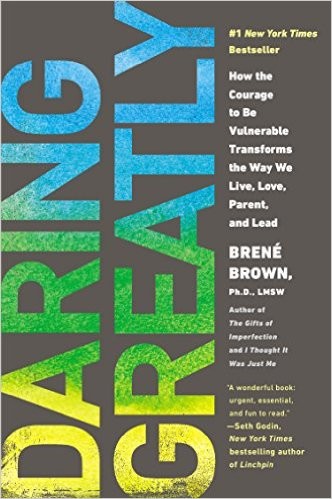
The late afternoon sun slanted through the grimy window of my tiny apartment, illuminating dust motes dancing in the air. I remember the weight of the book in my hands, heavy, almost reassuring, as I curled up on a sofa that had seen better decades. Outside, the city hummed with a rhythm I felt utterly disconnected from. Inside, the quiet pressed in, broken only by the occasional groan of the old building. Everything felt… fragile. My job, my relationships, my sense of self. It was a period when clarity seemed to be an indulgence I couldn’t afford, and every decision felt fraught with invisible peril.
My fingers traced the slightly worn cover. I wasn’t looking for answers, not really. More like a distraction, a brief escape from the persistent hum of anxiety that had become my constant companion. I just wanted something to occupy my mind, something to pull me out of the endless loop of ‘what ifs’ and ‘if onlys’ that played on repeat. I didn't know I was about to stumble into a conversation that would redefine courage for me, showing me that the very things I was trying so hard to hide were, in fact, the path forward.
The Idea That Stayed With Me
Brené Brown’s central idea in *Daring Greatly* isn't about simply feeling your emotions or being open. It digs much deeper, positing that vulnerability isn't weakness; it’s our greatest measure of courage. Before reading, I, like many, equated vulnerability with exposure, with being hurt. It was something to be avoided, a crack in the armor, a sign that you weren't strong enough. Brown turned this entire concept on its head for me. She defines vulnerability as uncertainty, risk, and emotional exposure. It’s the feeling we get when we step into the unknown, when we speak our truth without knowing how it will be received, or when we allow ourselves to be seen, truly seen, without any guarantees of acceptance or safety. It’s the birthplace of connection, innovation, and change.
What truly resonated was the distinction between vulnerability and self-indulgence or oversharing. It’s not about dumping your emotions on others; it’s about intentionally showing up, even when it’s scary, even when the outcome is uncertain. Brown talks about being in the “arena.” This imagery really stuck with me. The arena is where you put yourself out there, where you take risks, where you create, where you love. It’s messy, you’re going to get knocked down, and you’re going to be criticized. But the alternative – staying on the sidelines, in the cheap seats, judging those who are trying – that’s not living. That’s numbing. And Brown makes a powerful case that numbing vulnerability numbs *everything* – joy, gratitude, connection. We can’t selectively numb. So, if we want to experience joy and belonging, we have to lean into the discomfort of uncertainty. It's about accepting imperfection, embracing our worthiness, and understanding that courage isn't the absence of fear, but showing up anyway.
For me, this meant understanding that the fear of judgment, the pursuit of perfection, and the constant comparison to others were simply sophisticated ways of avoiding the arena. I realized how much energy I had spent constructing a seemingly impenetrable facade, believing it kept me safe, when in reality, it kept me isolated. The idea that truly belonging comes from *being* ourselves, not from *fitting in*, was revolutionary. It meant releasing the grip of what I *thought* others wanted to see and instead focusing on what it meant to genuinely show up as myself, flaws and all, and truly dare greatly.
The Conversation on the Park Bench
Months after I first devoured *Daring Greatly*, I found myself on a cold metal park bench, the kind that digs into your thighs, watching my breath plume into the crisp air. Across from me sat someone I cared deeply about, someone with whom our connection had become strained, stretched thin by unspoken resentments and unaddressed hurts. We had fallen into a pattern of polite avoidance, tiptoeing around the elephant in the room until the elephant had grown to the size of a small house, making genuine closeness impossible.
My stomach was a knot of nerves. I had rehearsed what I wanted to say a hundred times, each version slightly different, each one attempting to perfectly phrase my feelings without causing offense or appearing too demanding. But none of them felt *right*. They all felt like I was still trying to manage the other person's reaction, to control the outcome. As I sat there, the wind whipping stray hairs across my face, I felt the familiar pull to just let it go, to maintain the fragile peace, to walk away without stirring the pot.
But then, a quiet whisper, almost like an echo from the book, surfaced: *step into the arena*. It wasn't a loud command, more of a gentle invitation to choose courage over comfort. I realized that all my careful phrasing, all my attempts at perfection, were just shields. What was truly needed was to simply lay out my truth, without knowing if it would be met with understanding, anger, or even silence. It meant accepting that the relationship might change, or even end, but that holding back was already slowly killing it.
So, I spoke. Not with the polished words I had practiced, but with a raw honesty that felt clumsy and exposed. I talked about feeling hurt, about feeling unheard, and about my fear of losing them. My voice was shaky, my hands were clasped so tightly my knuckles were white. It was terrifying. Every fiber of my being wanted to retract, to soften the blow, to add a disclaimer. But I just kept going, feeling the immense vulnerability of putting my genuine, unedited self out there, without any guarantee of reciprocity or repair.
They didn't react immediately. There was a long pause, filled only by the distant sounds of traffic and the rustle of leaves. It was the longest pause of my life. In that moment, I understood what it meant to truly dare greatly – not to be fearless, but to be absolutely terrified and do it anyway. The conversation that followed wasn’t easy, nor was it a magic fix. There were tears, frustration, and moments where I still wanted to retreat. But it was *real*. And by taking that terrifying step into the arena of honest, vulnerable conversation, we opened a door that had been sealed shut for far too long. The relationship eventually found a different, stronger footing, because it was built on a foundation of truth, not avoidance.
What I'd Tell Someone Starting This Book
- Give yourself permission to feel uncomfortable. Brown’s work is less about quick tips and more about deep, personal excavation. You might find yourself squirming, and that’s a sign you’re doing it right.
- Don't just read the words; actively reflect on your own experiences. Where have you avoided the arena? Where have you armored up? The real insights come from applying her concepts to your own story.
- Pay close attention to her definitions of vulnerability, shame, and guilt. They are specific and foundational to understanding her perspective, and they might challenge your preconceived notions.
- Understand that embracing vulnerability isn't a one-time event, but an ongoing practice. Some days you'll feel braver than others, and that's perfectly human. Just showing up is the point.
- It's a conversation starter, not an end point. Share what you're learning with trusted friends or family. Discussing these ideas out loud can deepen your understanding and help you practice daring greatly in your relationships.