The dampness of the yoga studio floor always seemed to seep right into my bones, even through the mat. I remember a Tuesday evening, rain drumming steadily against the windows, and I was trying, really trying, to sink into a child's pose. For months, my lower back had been a knot of perpetual protest. Doctors offered exercises, stretches, pain meds, but nothing seemed to truly touch the deep, stubborn ache. It wasn't just physical pain; it was a constant hum of anxiety I couldn't place, a tightness in my chest that had become my default. I was tired, profoundly tired, of feeling like a collection of disconnected symptoms.
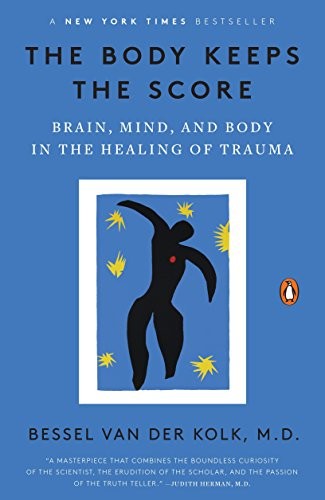
I'd picked up *The Body Keeps the Score* almost on a whim, drawn by the title. I wasn't consciously thinking trauma, not in the dramatic sense often portrayed in movies. But as I read about the intricate ways our nervous systems hold onto experiences, even those we've intellectually processed or forgotten, something began to shift. It spoke to the inarticulate language of my own body, explaining the persistence of feelings I couldn't quite trace to a specific event.
That night in the yoga studio, with my back screaming its familiar complaint, I wasn't just stretching my hamstrings. I was suddenly aware of the tension in my jaw, the way my shoulders were practically glued to my ears, the shallow rhythm of my breath. It wasn't about the pose anymore. It was about *being* in my body, and for the first time, not just trying to fix it, but listening to it. I felt this peculiar, almost electrical jolt in my left knee, an old injury from years ago that would flare up only in moments of extreme, sustained stress. It wasn't just the knee; it felt like a tiny, contained memory surfacing, asking to be acknowledged.
The book had talked about the "somatosensory cortex" and how it lights up when old wounds are triggered. It wasn't a sudden cure, not by any stretch. But lying there, with the rain and the echo in my knee, I started to understand that my body wasn't failing me; it was communicating. It was speaking a language I’d been ignoring, a story that hadn't been fully told or heard. The ache wasn't just an ache; it was a messenger. And the quiet invitation was to sit with it, not against it, and simply allow it to be, for however long it needed. The path felt long, sure, but a door had creaked open, just a sliver.